
Poultry Health & Disease
Clear, Practical Poultry Health Information
Understand what to watch for, how to prevent common problems, and when your birds need professional veterinary care.
OBSERVE FIRST
You do not have to name the disease to notice that something changed.
Begin with the bird, the flock, and the environment—not a medicine cabinet. Watch what the bird is doing, compare it with normal behavior, and gather useful information before guessing at a diagnosis.
Separate and Observe
Protect a weak bird from bullying, make food and water easy to reach, and watch closely without adding unnecessary stress.
Check the Basics
Look at feed, water, temperature, ventilation, litter, recent changes, injuries, parasites, and whether more than one bird is affected.
Record What You See
Write down when it started, which birds are involved, symptoms, photos, weights, treatments already given, and anything new in the flock.
A SIMPLE HEALTH CHECK
Look for changes from normal.
One sign rarely tells the whole story. Patterns across the bird, flock, and environment are more useful than a single symptom.
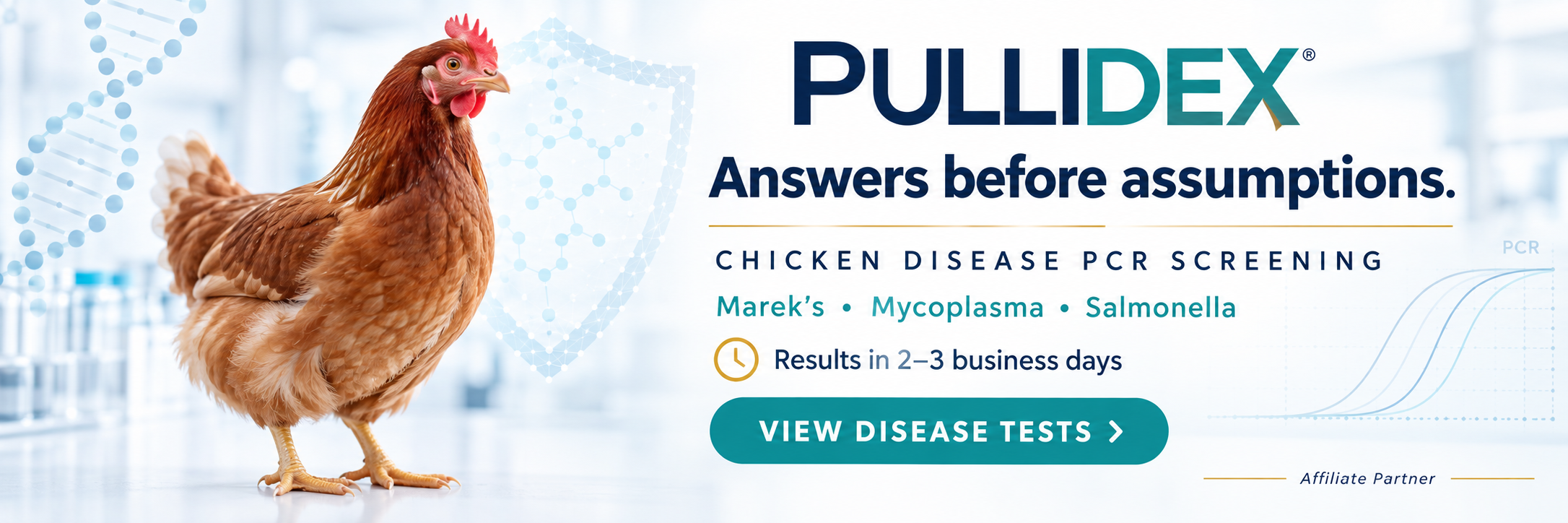
Affiliate link: Poultry Nerds may earn a commission from qualifying orders at no additional cost to you.
Explore Pullidex Disease TestsCHOOSE YOUR NEXT STEP
Use the right resource for the question.
Start Here
Find the Right Place to Begin
Poultry health questions can look alike at first. Choose the topic closest to what you need help understanding.
Listen and Learn
Poultry Health Conversations worth your Time
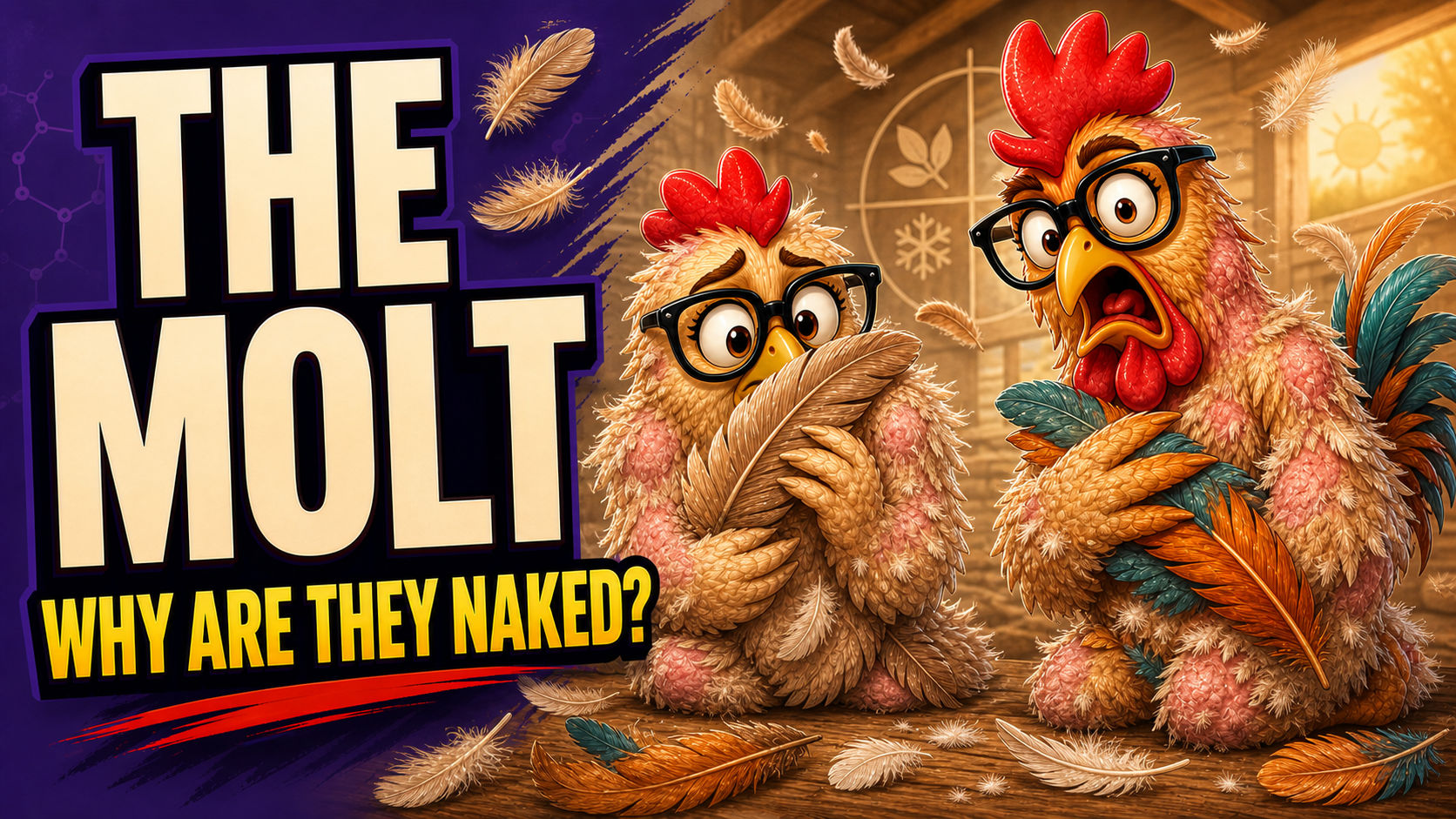
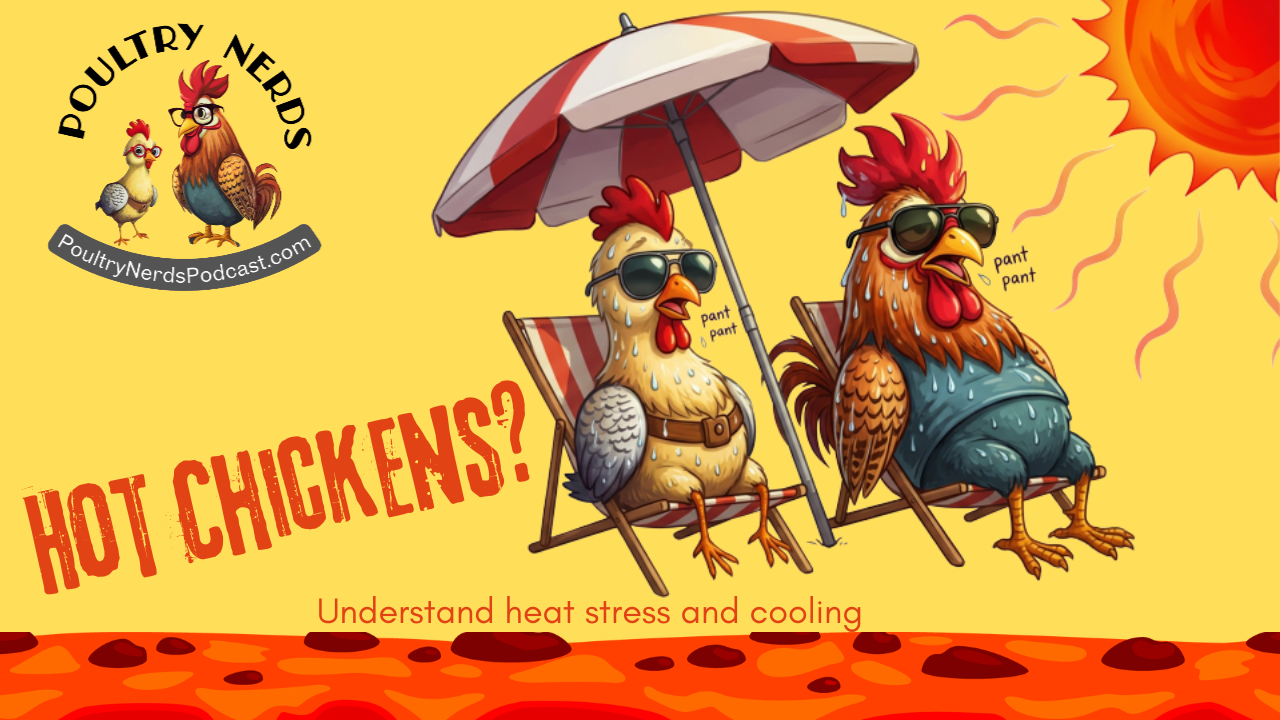
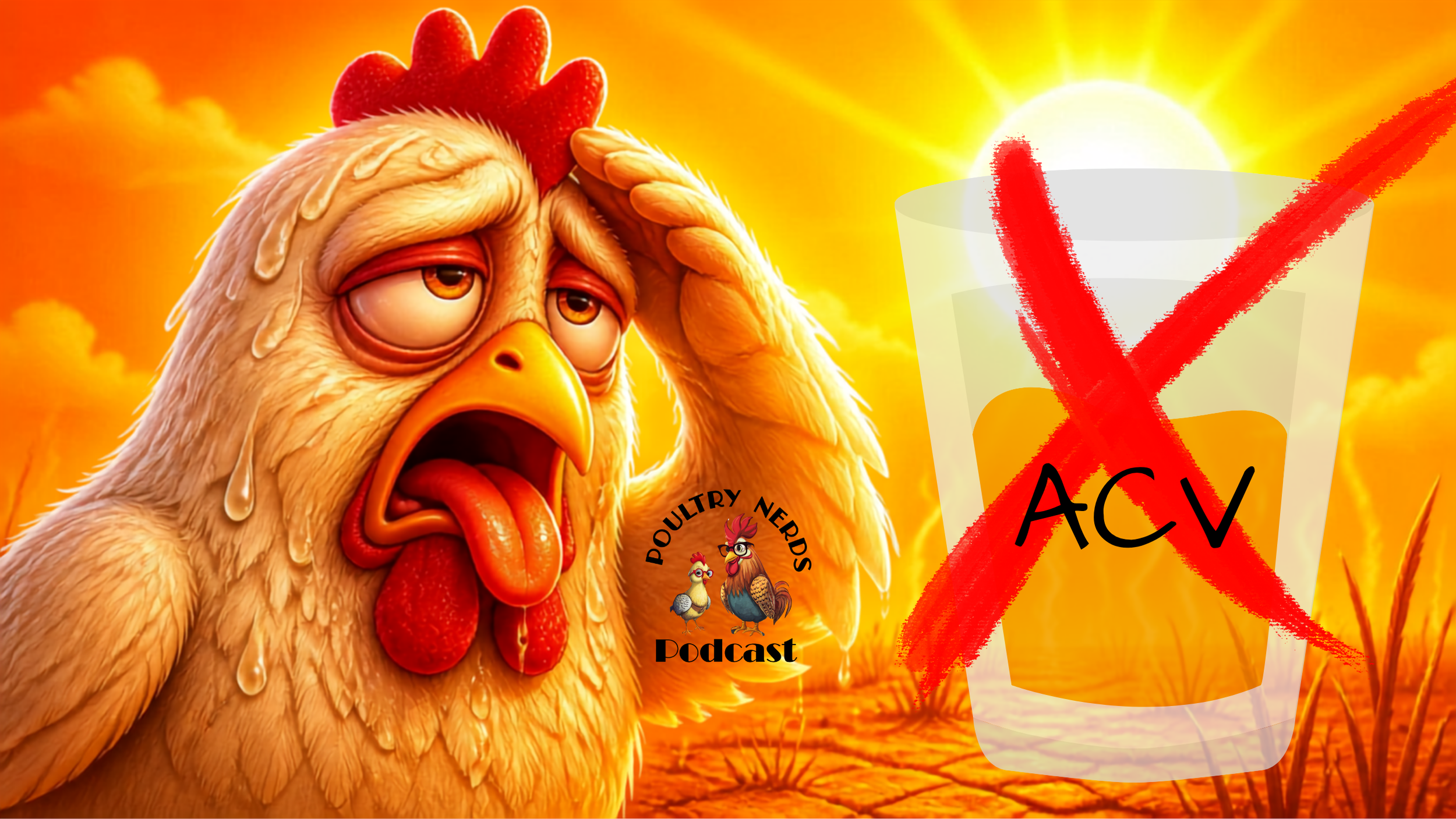
Listen to practical conversations about disease prevention, flock observation, biosecurity, parasites, nutrition, stress, and the decisions that protect your birds.
GO DEEPER
Poultry Health Research, Made Understandable
Read plain-language reviews of poultry health and disease research, with practical context to help you ask better questions and make better-informed flock decisions.
FREE POULTRY HEALTH LESSONS
Poultry Health Foundations
Start with six plain-language lessons on immunity, germs, biosecurity, vaccines, and the protection chicks receive from hens.
Start the free lessons →Educational information only: Serious or spreading illness requires a veterinarian or diagnostic laboratory.
KEEP LEARNING
Build a healthier flock one good decision at a time.
Get new episodes, research explainers, and practical poultry education delivered when it is useful.
Useful poultry education, not inbox clutter. Unsubscribe at any time.