Poultry Incubation & Hatching
Practical, research-backed guidance for incubating and hatching chickens, quail, waterfowl, turkeys, and more—all in one place.
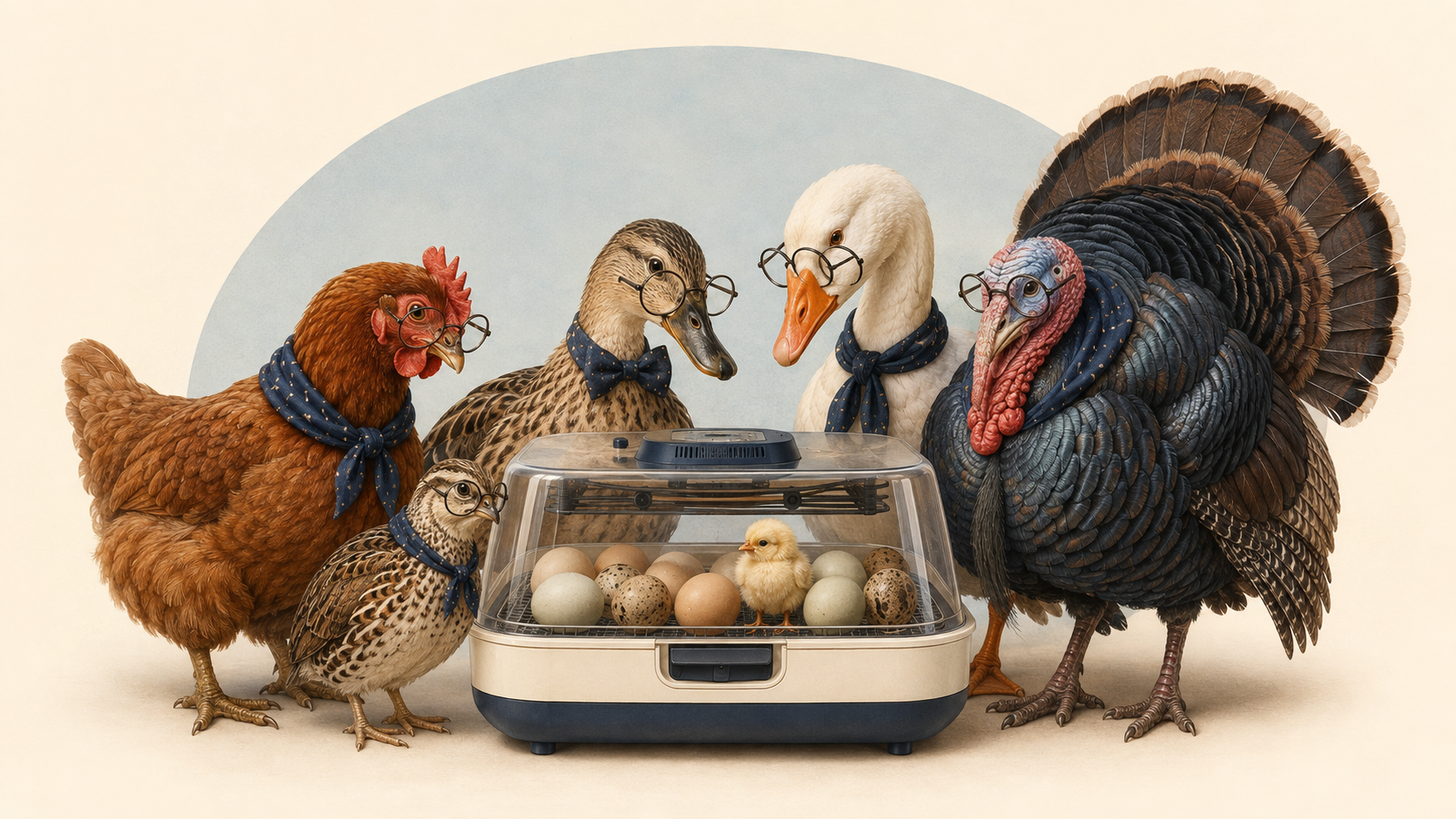
Practical, research-backed guidance for incubating and hatching chicken, quail, and waterfowl eggs—all in one place.
Choose Your Incubation Masterclass
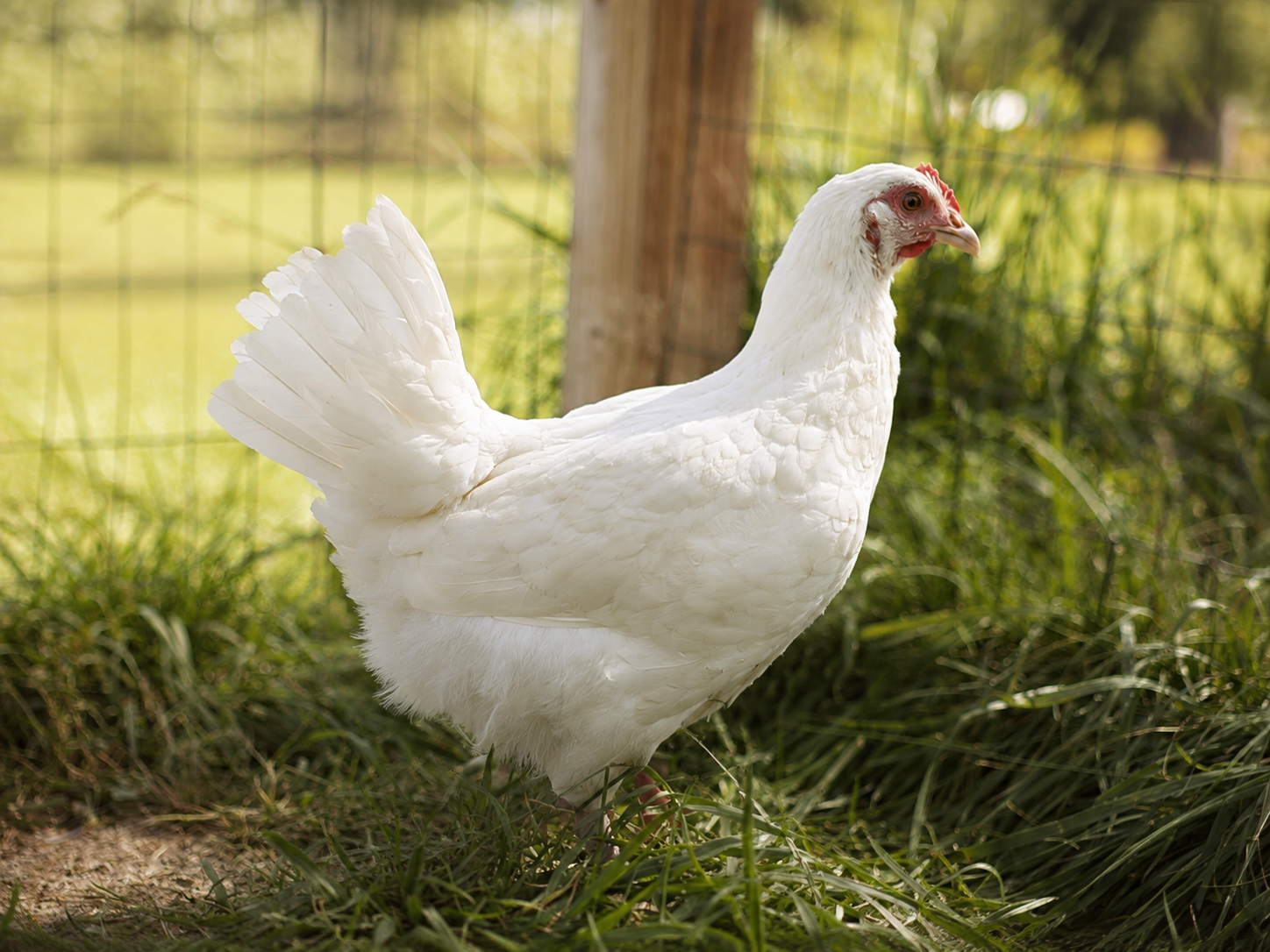
Chicken Incubation
Learn about selecting, storing, setting, candling, and hatching chicken eggs.
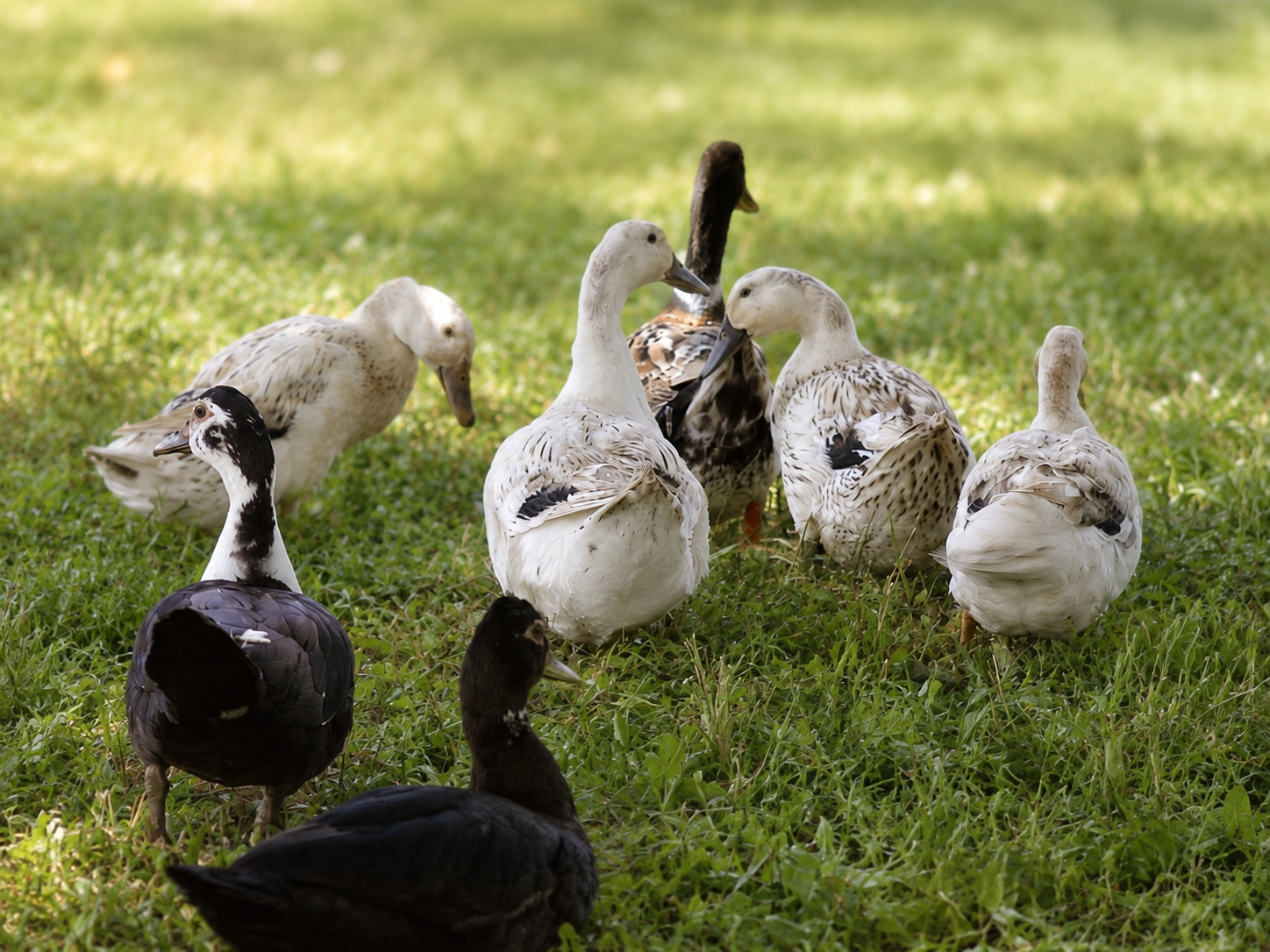
Waterfowl Incubation
Learn the different requirements for incubating duck and goose eggs.
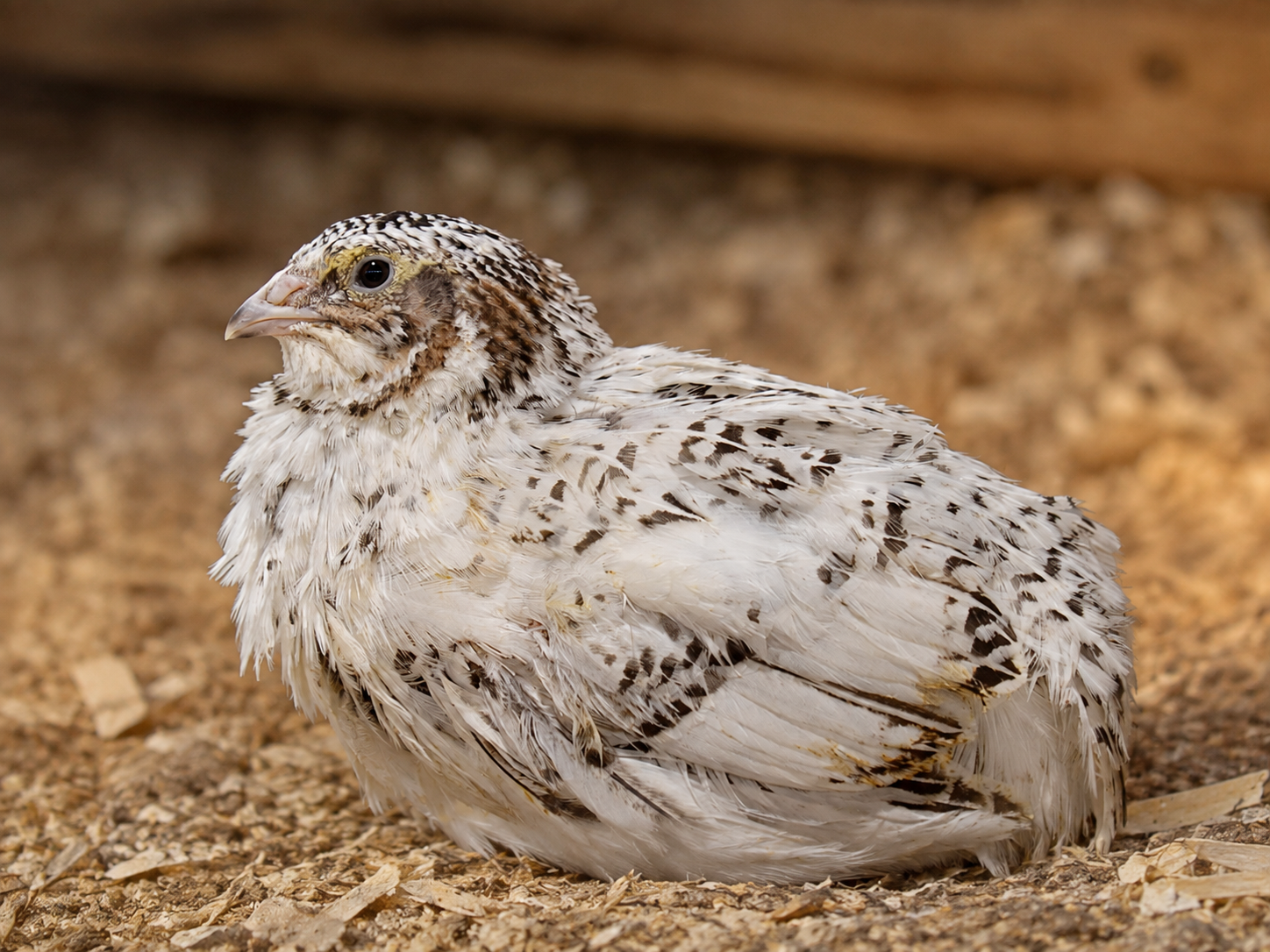
Quail Incubation
Explore incubation guidance for Coturnix and button quail eggs.
Calculate Hatch Dates Instantly
Select your start date and species
Click add to calendar
Set notifications on your phone
Easy, fast, reliable
START HERE
A successful hatch is an environment—not just a countdown.
The embryo cannot fix the incubator for you. Your job is to begin with hatchable eggs, keep the conditions steady, and make calm decisions from good observations instead of changing settings every time you worry.
Start With Good Eggs
Choose clean, normal-shaped eggs from healthy, well-nourished breeding birds. Store and handle them carefully before setting.
Control the Environment
Use a reliable thermometer and hygrometer. Give embryos steady temperature, appropriate humidity, regular turning, and fresh air.
Watch, Record, Learn
Write down dates, settings, air-cell growth, hatch results, and anything unusual. Each hatch should teach you how to improve the next one.
THE HATCHING BASICS
What every developing embryo needs.
The exact number can change by species, incubator, altitude, and climate. The basic needs do not.
CHOOSE YOUR NEXT STEP
Go directly to the help you need.
FREE INCUBATION RESOURCES
Choose Your Free Incubation Guide
Pick the bird you’re hatching. Your guide will be delivered by email.
Latest Incubation Episodes

KEEP LEARNING
Better hatches start with better information.
Get new episodes, research explainers, and practical poultry education delivered when it is useful.
Useful poultry education, not inbox clutter. Unsubscribe at any time.