
Coturnix Quail: The Beginner’s Guide
Learn how to raise Coturnix quail for eggs, meat, breeding, and backyard farming through research-backed education and real-world experience from Bryant's Roost and the Poultry Nerds Podcast.
Coturnix quail are small, fast-growing domesticated game birds raised for eggs and meat. They typically mature in 6–8 weeks, require less space than chickens, and their eggs usually hatch after approximately 17–18 days of incubation.
Quick Look
If you're researching Coturnix quail, here's what you need to know.
Mature in about 6–8 weeks
Excellent egg production
Great meat birds
Easy to incubate
Ideal for small farms and homesteads
Hundreds of color varieties
Low space requirements
Beginner friendly
Coturnix Quail Frequently Asked Questions
| Question | Answer |
|---|---|
| When do Coturnix quail mature? | Coturnix quail typically mature at approximately 6–8 weeks of age. |
| When do Coturnix hens begin laying eggs? | Many hens begin laying at approximately 6–8 weeks, depending on genetics, nutrition, health, season and lighting. |
| How long do Coturnix quail eggs take to hatch? | Coturnix quail eggs usually hatch after approximately 17–18 days of incubation. |
| What incubator temperature should I use? | A forced-air incubator is commonly operated at 99.5°F. Always verify the recommendations for your specific incubator. |
| What are Coturnix quail raised for? | They are commonly raised for eggs, meat, breeding, exhibition, education and backyard food production. |
| Are Coturnix quail good for beginners? | Yes. Their small size, rapid maturity and relatively simple care make them approachable for many beginners. |
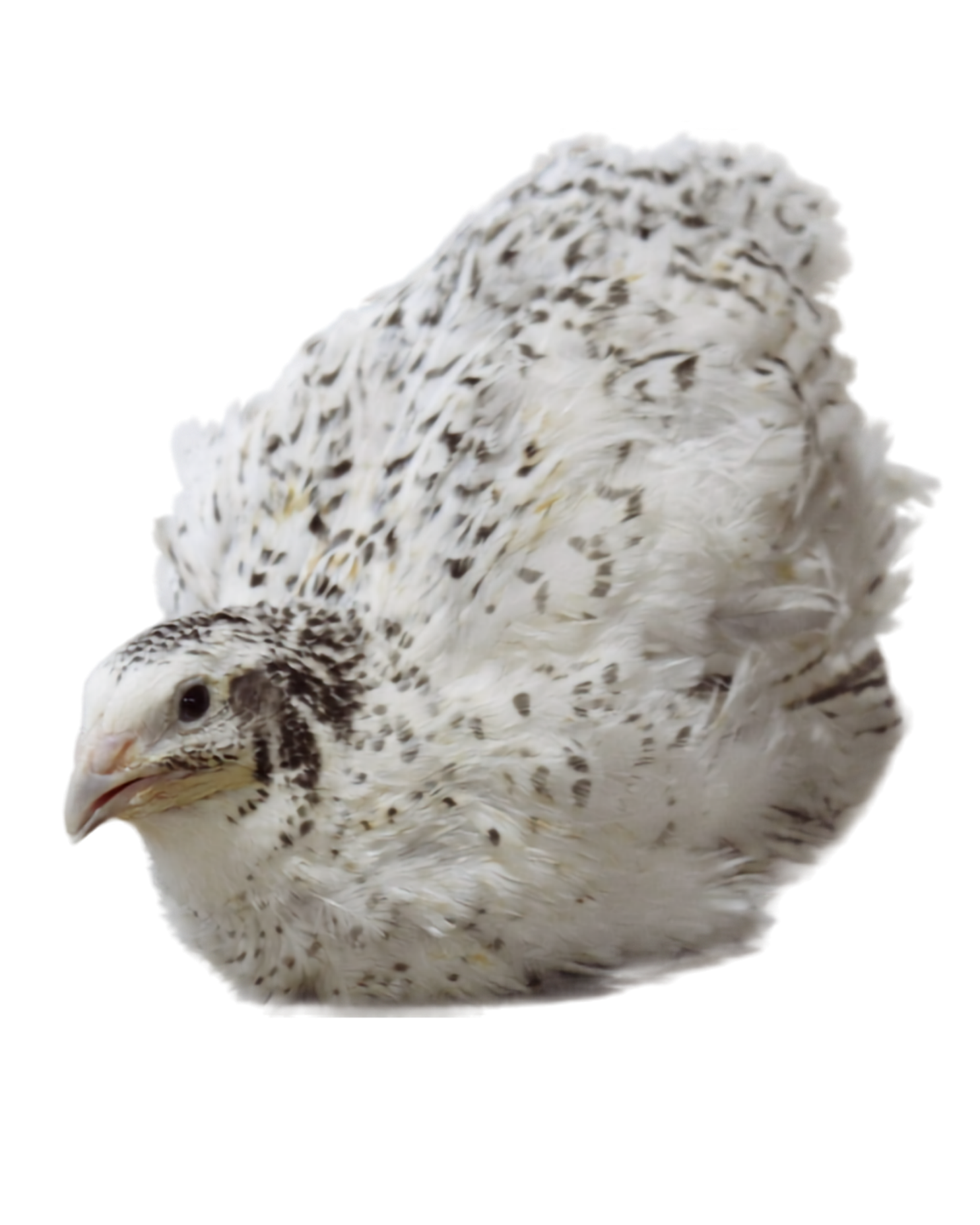
What Are Coturnix Quail?
Coturnix quail, often called Japanese quail (Coturnix japonica), are one of the most popular game birds raised worldwide for both egg and meat production. Originally domesticated in Asia, they have been selectively bred for generations to improve growth rate, egg production, temperament, and overall productivity. Today, Coturnix quail are found on everything from small backyard homesteads to commercial farms, making them one of the most versatile poultry species available.
One of the reasons Coturnix quail have become so popular is how quickly they mature. Hens often begin laying eggs at just 6 to 8 weeks of age, and many strains have been selectively bred to produce a high number of eggs throughout the year. Their rapid growth, relatively small space requirements, and efficient feed conversion also make them an excellent choice for families interested in producing their own meat. Whether your goal is fresh eggs, sustainable meat production, breeding exhibition-quality birds, or simply enjoying a unique poultry species, Coturnix quail offer an approachable starting point for beginners while still providing endless opportunities for experienced breeders.
Research has made Coturnix quail one of the most studied poultry species in the world. Universities and researchers frequently use them to study incubation, nutrition, genetics, behavior, disease, and reproduction because they reproduce quickly and have short generation intervals. That wealth of scientific research gives poultry keepers access to evidence-based information that simply doesn't exist for many other avian species. Throughout the Poultry Nerds Podcast and our research library, we work to translate that science into practical advice that you can apply on your own farm.
At Bryant's Roost, Coturnix quail are more than just another species we raise—they're the foundation of our farm. What started as a desire to provide high-quality eggs and meat for my own family grew into years of selective breeding, thousands of successful hatches, educational workshops, and helping thousands of other poultry keepers build their own flocks. Every recommendation you'll find throughout Poultry Nerds is rooted in both published research and real-world experience, because I believe the best lessons come from combining science with practical application.

-
There are several ways to get started with Coturnix quail, eggs, chicks and breeders.
Hatching eggs are the most economical if you already have an incubator.
Chicks are great if you don’t have an incubator and want the experience of raising them from baby stage.
Breeders are a good choice if you want to go straight to production.
No right or wrong answer, just what works for you.
-
Choose wisely now to prevent issues later. Everyone raises their birds a bit differently based on environment, time and budget.
IF you can source eggs locally and just want to get your feet wet, ask just a few questions. How old are the eggs, what do they feed the breeders and do they hatch regularly.
Eggs should be less than 10 days when you put in the incubator. They start to decline in viability after 10 days. Keep them pointy side down to keep the air bubble stable.
Breeders should be fed a layer feed. This gives them optimum nutrition to maintain fertility and to give the yolks great nutrition to start the chick off correctly.
Hatching regularly signals good fertility. Someone who isn’t hatching cannot speak to their fertility.
We recommend Bryant’s Roost or search HatchingEggDirectory.com
-
Anytime you purchase live birds, you risk bringing disease onto your farm. Know the breeder’s ethics and quarantine the new birds away from your current ones.
Ask the breeder what traits they select for. For example, larger eggs or larger breasts or temperament. Pick a breeder whose interests align with yours.
-
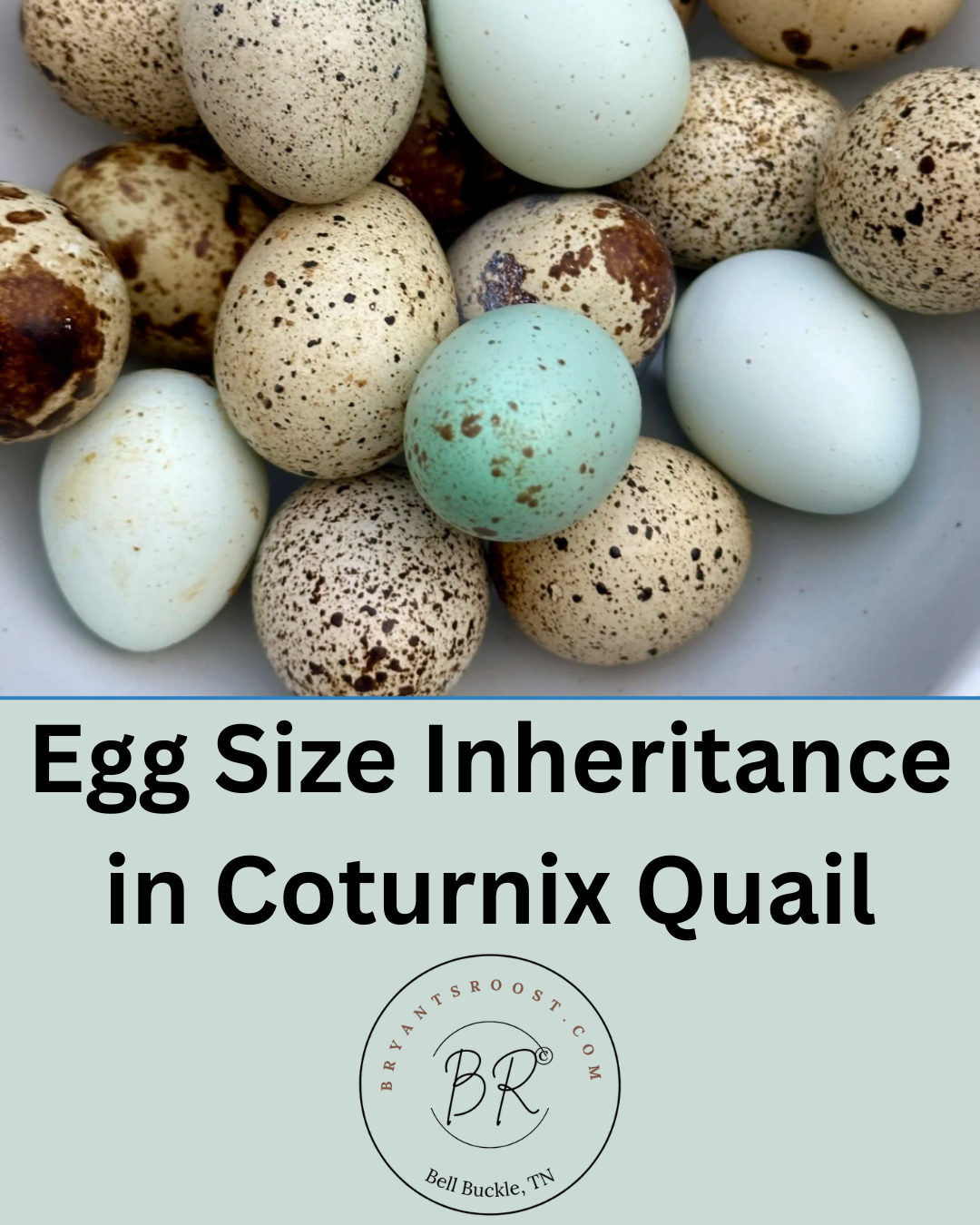
Coturnix quail are commonly categorized as standard or jumbo. Jumbos are consistently over 10 oz at 10 weeks within the line, not just one particular bird. Standards are under 10 oz. Egg size is not directly related to bird size.
-
Incubating quail eggs is super easy. Set the incubator at 99.5F and roughly 40% humidity. Put the eggs pointy side down or on their sides for 14 days in a turner. For days 14-18, leave them out of the turner to orientate themselves and hatch. Once they start, they pop like popcorn! more information on incubating here
-
Baby quail like to be hot, dry and draft free. They need warmish water and 28-30% protein, non-medicated crumbles. A chilly breeze and cool them too much so keep sides on the brooder. They can also hop out after a week so keep a screen over the top.
Bryant’s Roost offers a free ebook on brooding quail
-
Quail can be off heat by 3-4 weeks, depending on the weather. They are fully feathered but still growing. Leave them on the starter feed until after they start laying which typically happens around 7 weeks. Once they have been laying a week or so, move them to a 17-20% layer feed of quality.
-
At some point you will have extra males. Leave them in a cage by themselves on the starter ration with dimmer light. The dim light helps keep their hormones at bay to not fight. These can be processed at 8-10 weeks.
-
A breeder set is typically one male to 4–5 hens. They can be kept in sets or communities. In an aviary setup, allow approximately one square foot per bird. In a cage setup, they may be housed more closely to reduce territorial behavior, typically two birds per square foot.
-
You can mix and match colors of coturnix with no issue. The wild type or pharaoh is the most common. It is a feather sexable color, among many, the hens having a speckled chest and the males have a rusty colored chest.
For more information on genetics, see Pips ‘n Chicks website for more detail.
-
Many colors of quail are feather-sexable, but if you are unsure or have another color variety, you may need to vent sex the bird. The bird must be sexually active. Hold the bird on its back in one hand, with the feet held gently against its body using your thumb. With your other hand, place your fingers on either side of the vent and press gently. If white foam appears, it is a male. If feces or nothing appears, it is likely a hen. You may also feel an egg, so take care not to break it.
-
Dispatching a quail can be done in many ways but cervical dislocation is the preferred method. You can pull the head off with your hand. I prefer scissors. A Quail pop is a metal hanger which removes the head.
Harvesting for meat is much simpler than chickens and takes only minutes.
You can see a full processing tutorial here
The Poultry Nerds Podcast has done podcast episodes on getting started with quail, check them out here.
I didn't start Bryant's Roost to become one of the country's largest quail breeders. I simply wanted better food for my own family. What began with a few birds quickly turned into years of selective breeding, thousands of hatches, workshops, and eventually helping thousands of other people get started with quail.
About Jennifer Bryant
I'm Jennifer Bryant, co-host of the Poultry Nerds Podcast and owner of Bryant's Roost. While I spend every day raising Coturnix quail and other poultry on my farm, my passion extends far beyond simply keeping birds—I genuinely enjoy understanding the science behind why things work.
My background includes a Bachelor of Science in Animal Science, advanced poultry incubation training, years of selective breeding, and thousands of successful hatches. I regularly study university research, scientific publications, and industry resources to stay current on poultry health, genetics, nutrition, incubation, and management. When new research is published, I enjoy digging into the data, comparing it with real-world experience, and sharing practical takeaways that poultry keepers can actually use.
That combination of research and hands-on farming shapes everything I teach. I believe the best advice comes from bringing science and experience together. Before I recommend a product, technique, or management practice, I want to understand not only what the research says but also how it performs on a working farm.
My goal has always been simple: raise healthy birds for my own table first, then share what's proven so your flock can thrive. Through Bryant's Roost, the Poultry Nerds Podcast, our research library, and educational resources, I hope to help poultry keepers make informed decisions, avoid common mistakes, and enjoy the journey of raising birds as much as I do.
More Quail Resources
Quail Selection: How Small Decisions Shape Your Flock's Future
Not All Eggs Are Created Equal: Egg Selection for Hatching
Explore Coturnix Quail Research
Visit our Quail Research Library for peer-reviewed research reviews covering egg-size genetics, eggshell quality, selective breeding and the biological limits of selection.
Last Reviewed and Updated July 24, 2026