
Predator-Proof Chicken Housing: What a Layered Defense Looks Like
A secure coop works best as a layered defense: reliable latches, tight gaps, covered runs, protected feed, and regular checks. This review explains the practical logic behind predator-resistant housing.
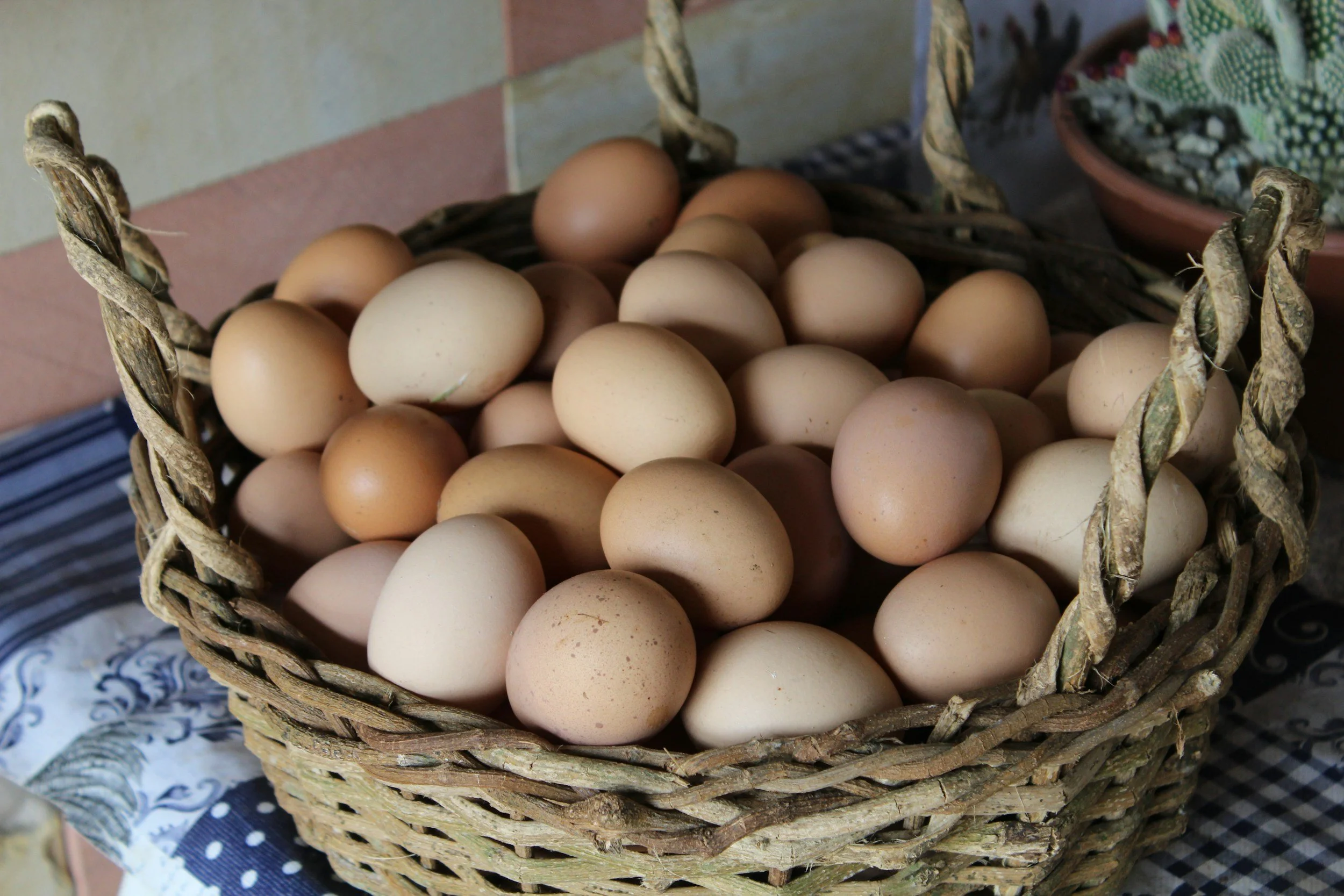
Egg Storage Before Incubation: What 0, 3, and 10 Days Can Change
How long can hatching eggs be stored before setting? A controlled chicken study shows how 0, 3, and 10 days of storage can affect egg quality and embryo development.
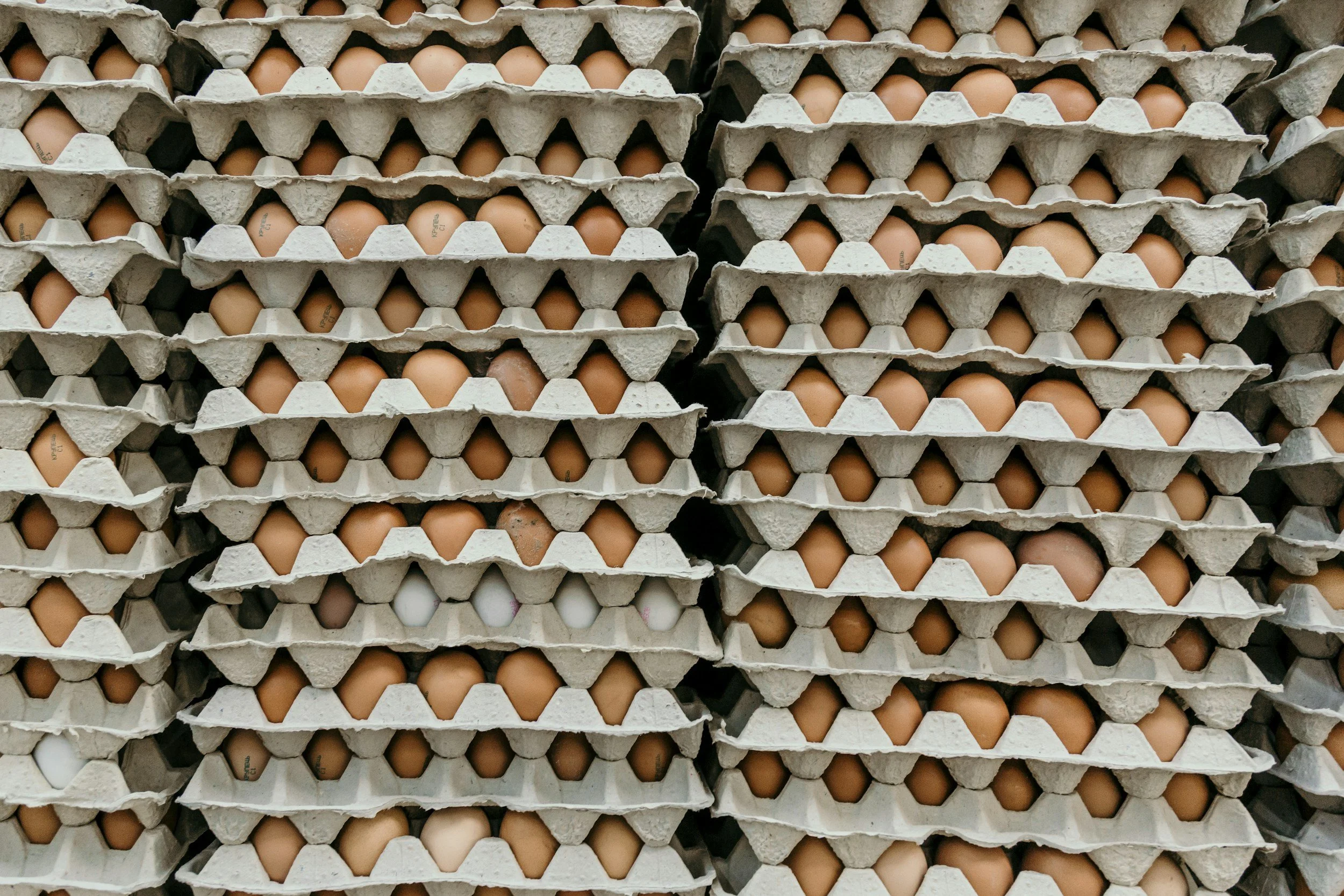
SPIDES for Stored Hatching Eggs: What the Research Actually Shows
SPIDES uses brief warming periods during extended egg storage. In chicken research, it can reduce storage-related losses—but protocol, storage length, and flock context matter.
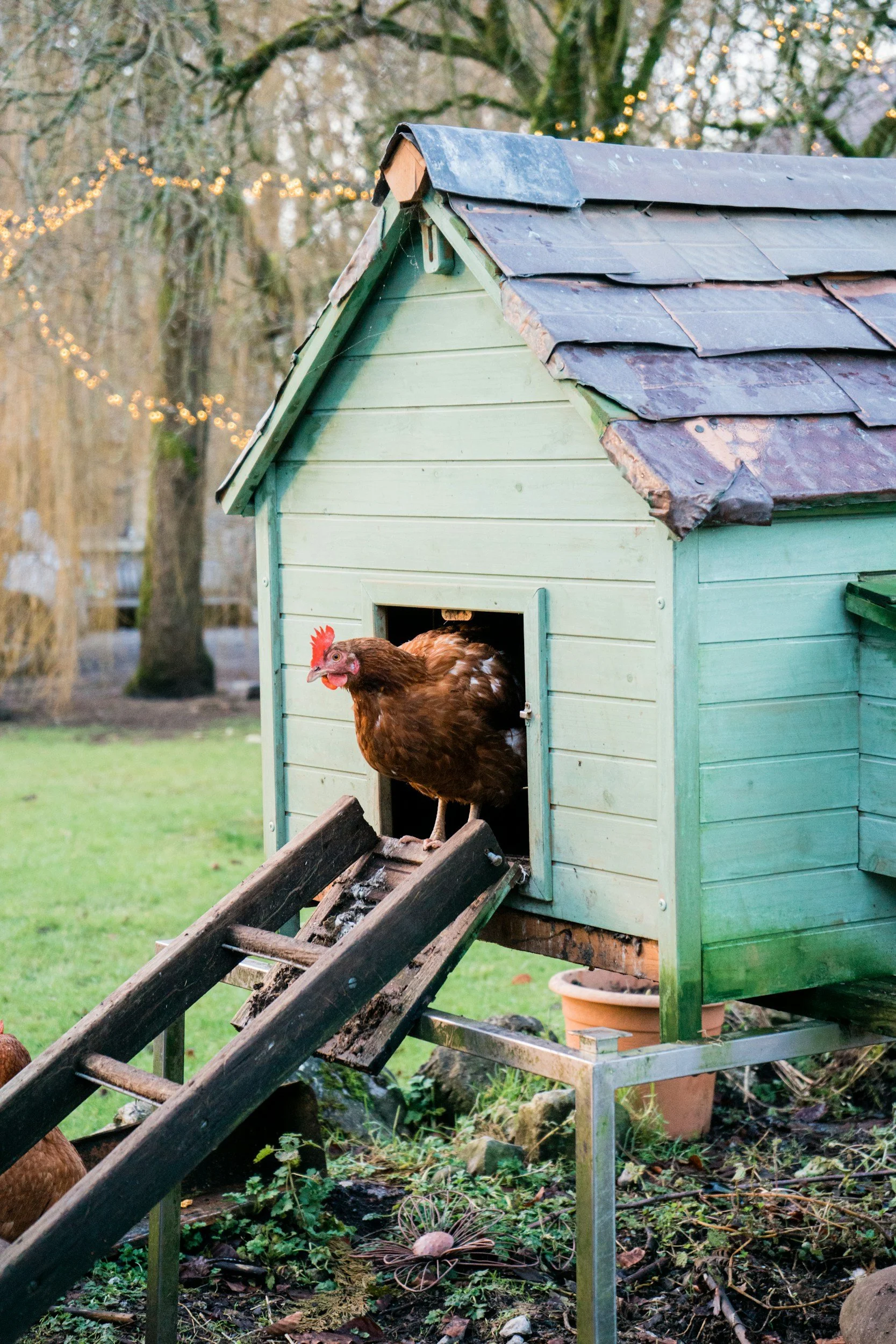
Outdoor Chicken Runs: Welfare, Parasites, and Biosecurity Tradeoffs
Outdoor runs can support natural chicken behavior, but they also change parasite, wildlife, predator, and biosecurity risks. This review explains how design and daily management shape the tradeoffs.
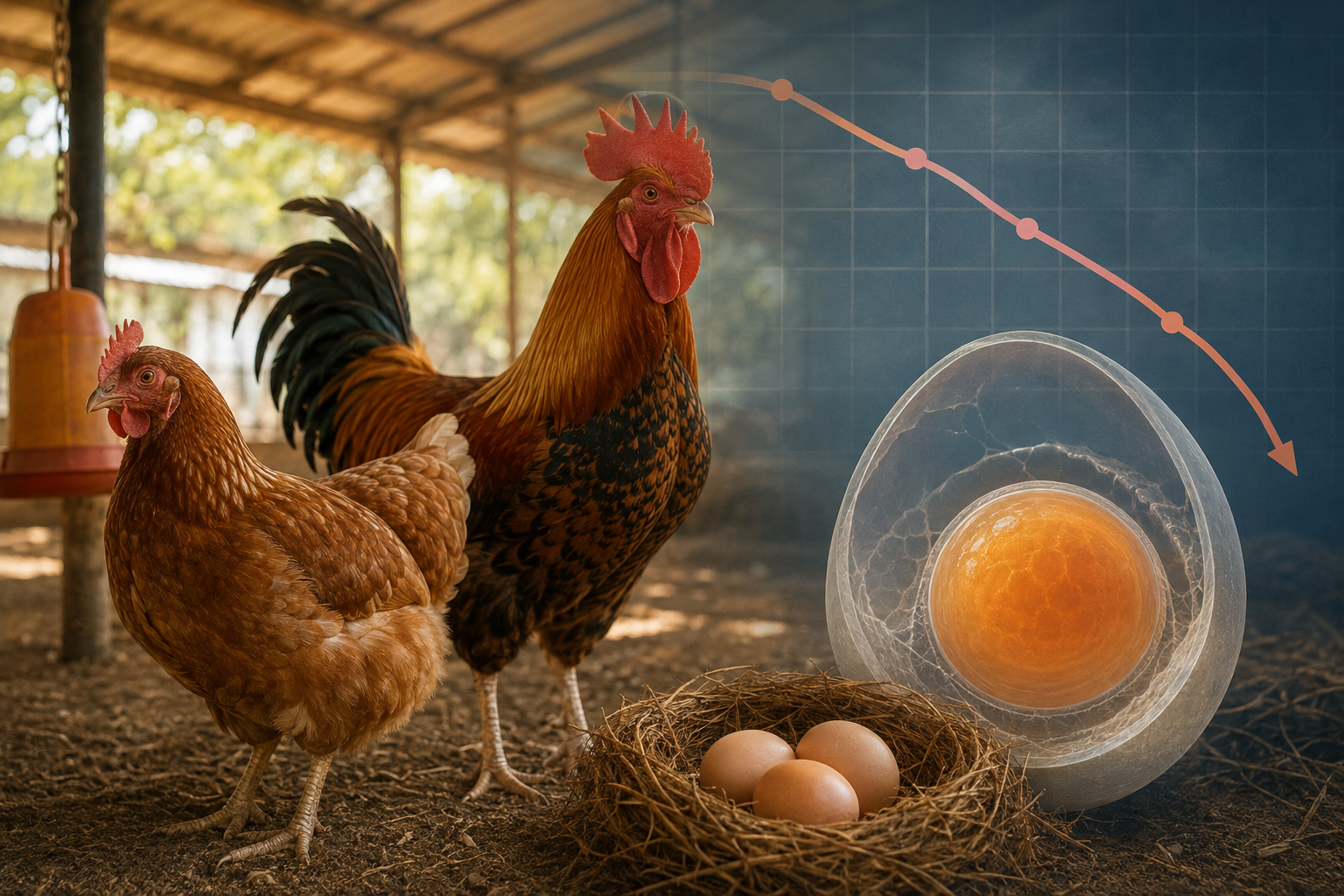
How Heat Stress Changes Poultry Production, Fertility, and Egg Quality
Summer losses are not always mysterious. Heat can quietly reduce feed intake, laying, shell quality, fertility, immunity, and growth before birds reach crisis.
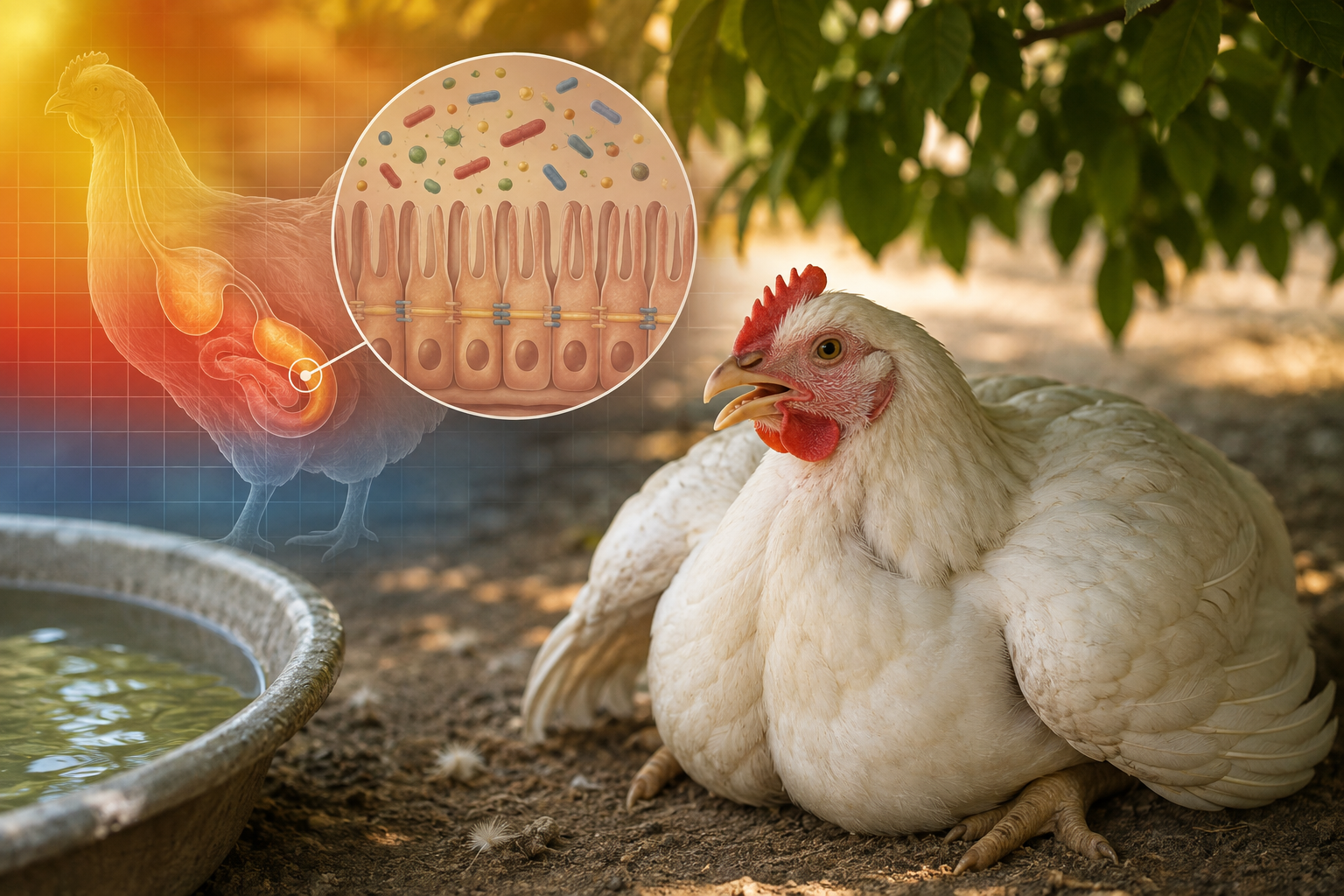
Heat Stress in Chickens: Physiology, Panting, and Gut Health
Panting is the part of heat stress you can see. This review explains the hidden costs inside the chicken, from acid-base imbalance to gut-barrier disruption.
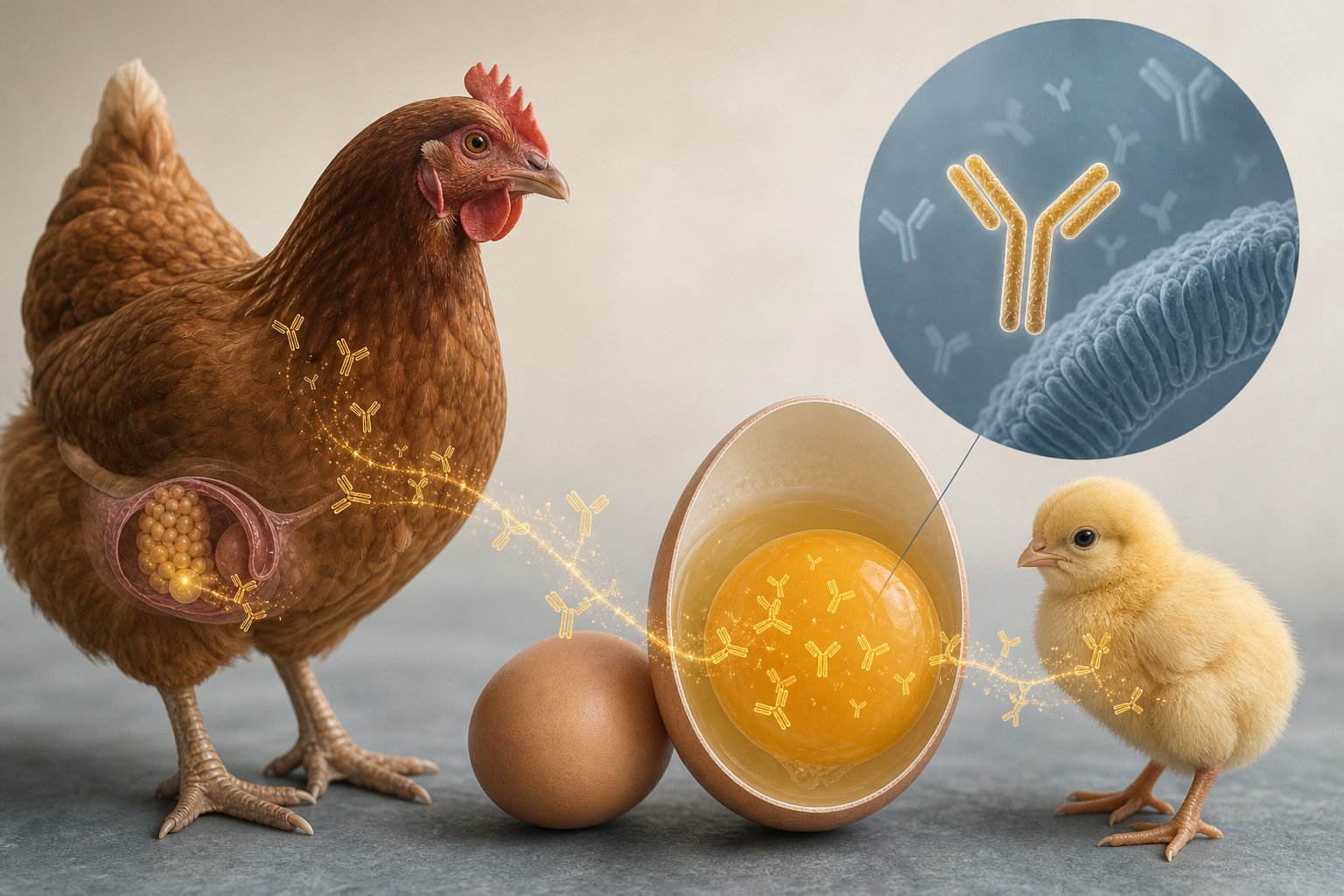
Maternal IgY Transfer From Hens to Chicks
Hens pass antibodies to chicks through the yolk—but not all of them, and not forever. This review explains what maternal IgY can and cannot do for a newly hatched chick.
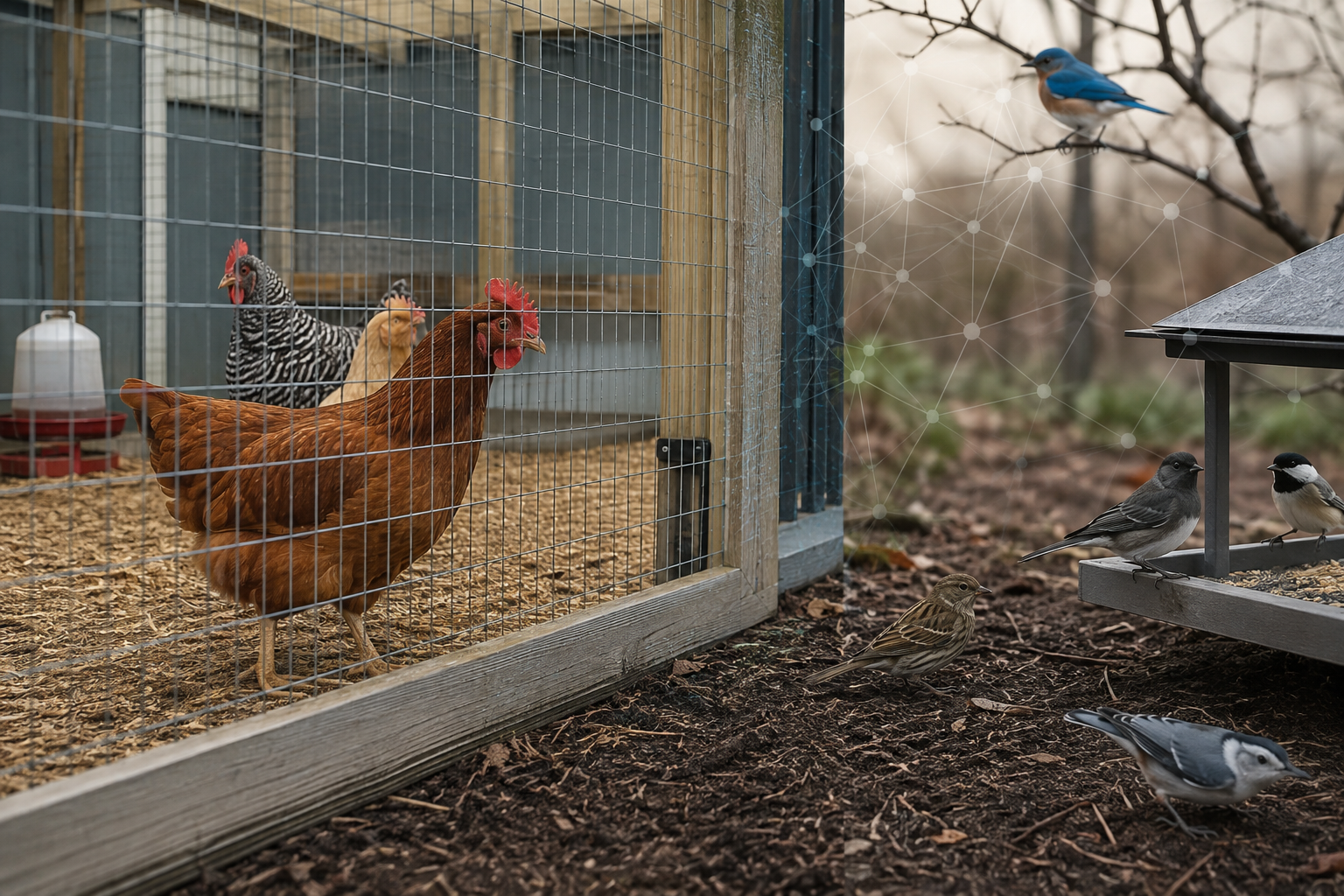
Backyard Chickens, Wild Birds, and Disease Risk
Backyard chickens and wild birds can share more than space. This review explains how disease moves at the flock-wildlife interface and what owners can do to reduce risk.
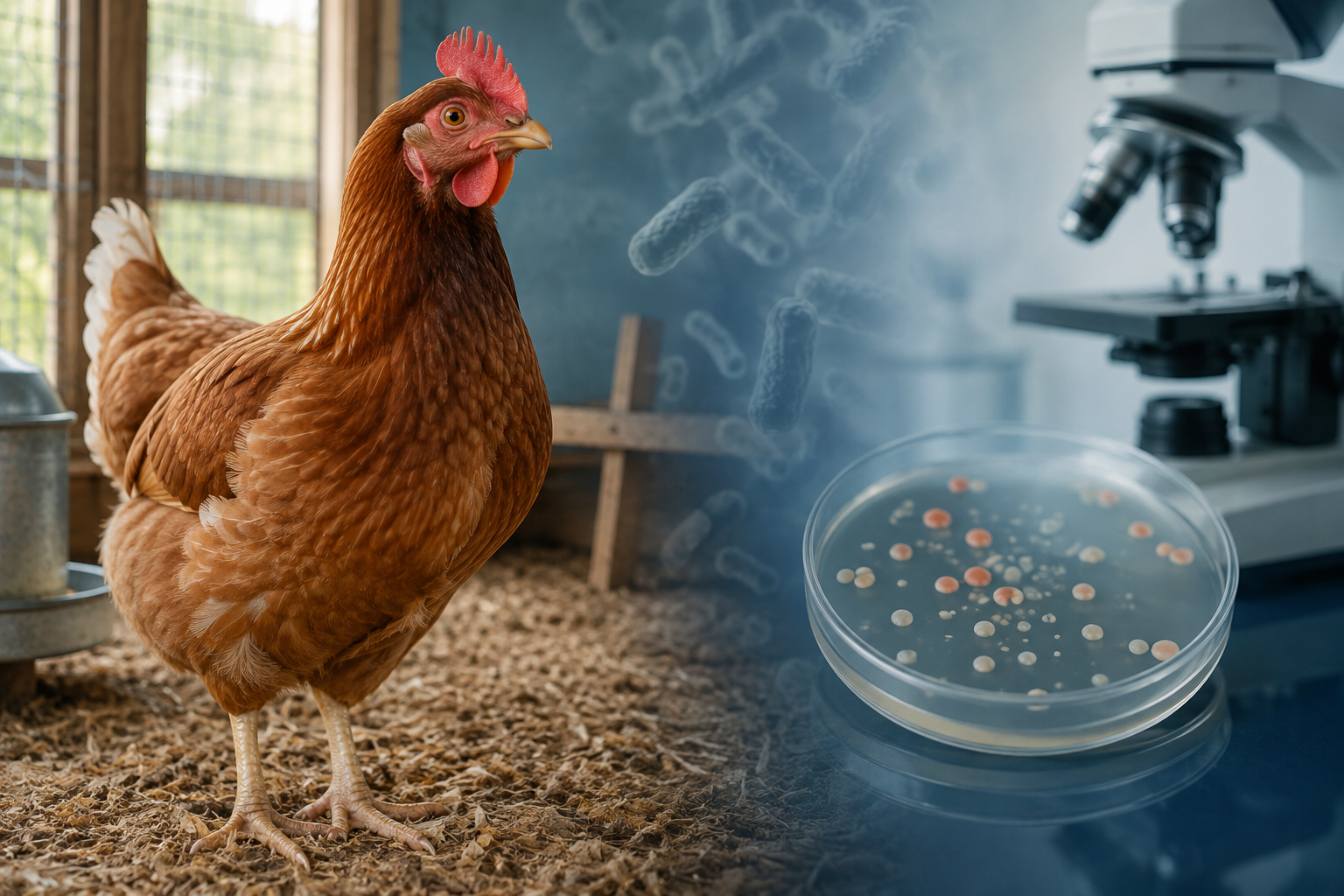
Salmonella enterica Frequency in Backyard Chickens in Vermont
Backyard chickens can carry Salmonella even when they look healthy. This review explains Vermont flock data and why safe handling matters.

Feather Anatomy and Composition in Chickens: What a Feather Is Made Of
A feather is not one solid piece of “keratin.” This research review explains the shaft, barbs, barbules, follicle, and protein-rich corneous material that make a chicken feather work.
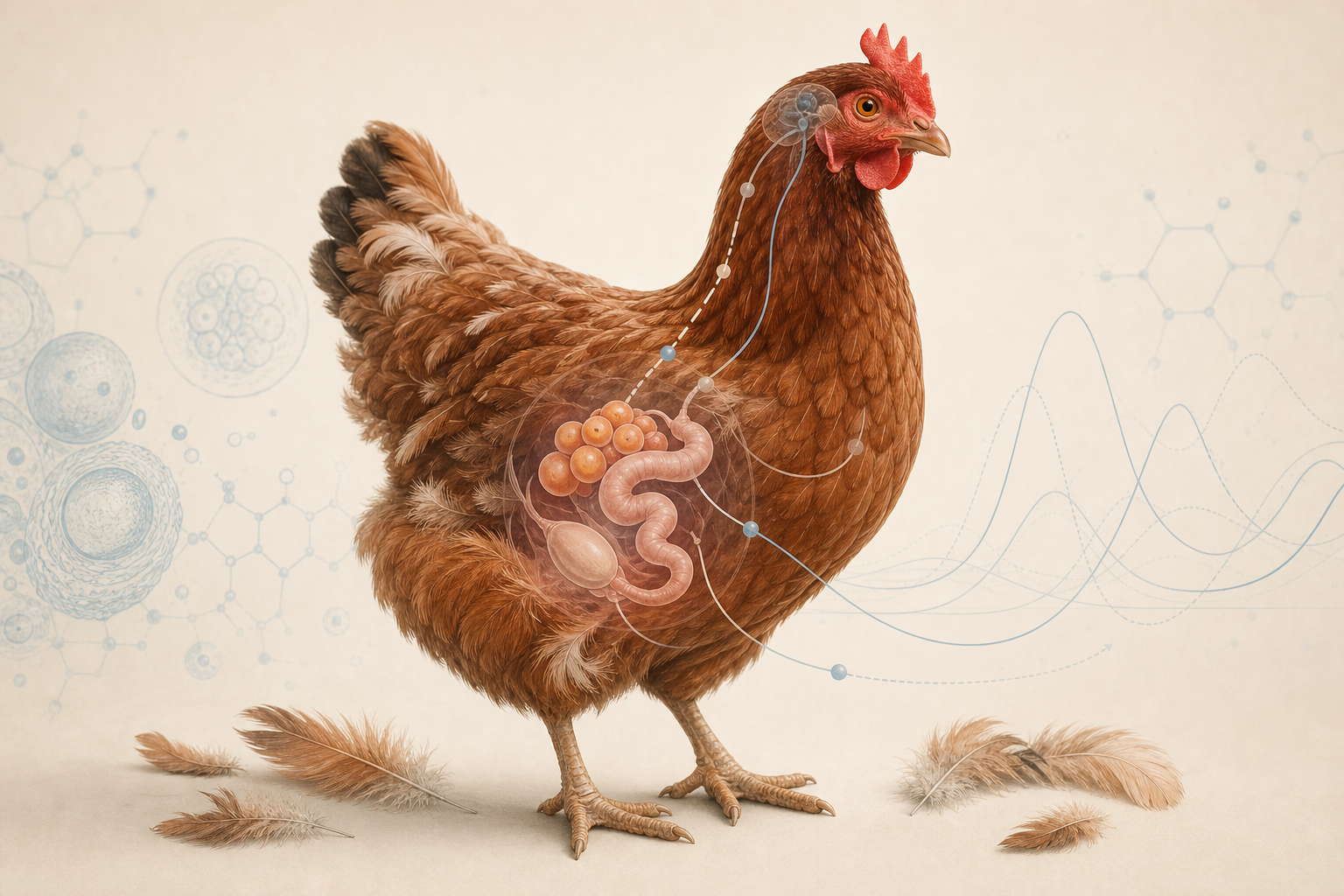
Reproductive Hormones During Molt: What Changes in Laying Hens?
During molt, egg production, ovarian activity, and reproductive hormone concentrations change together. This review separates normal endocrine physiology from claims made about induced molt.

A 1913 Poultry Textbook on Feathers and Molt: What Holds Up—and What Does Not
John H. Robinson’s 1913 textbook contains sharp observations about feather structure, tracts, color patterns, and molt—but also terminology and conclusions that modern science has revised.
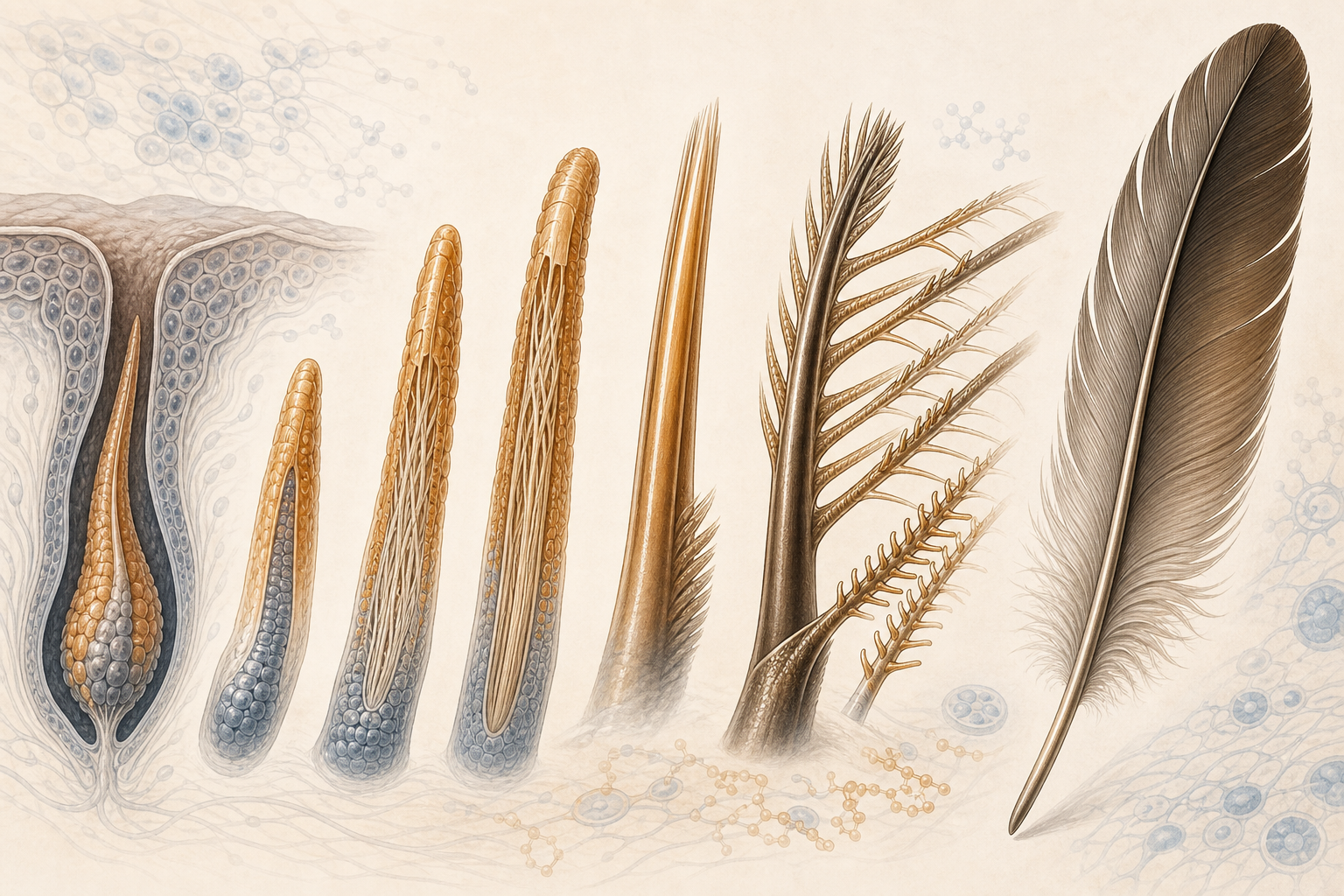
How Feathers Harden: Alibardi’s Feather-Protein Study Explained
Microscopy and antibody labeling show that developing feather cells begin with a small alpha-keratin scaffold that becomes coated by abundant feather corneous beta-proteins.

What Makes Yellow and Brown Feathers? A Chemical Pigment Study
Yellow does not automatically mean carotenoid, and brown does not identify one melanin. An HPLC study tested feather pigments chemically—including yellow down from two White Leghorn chicks.
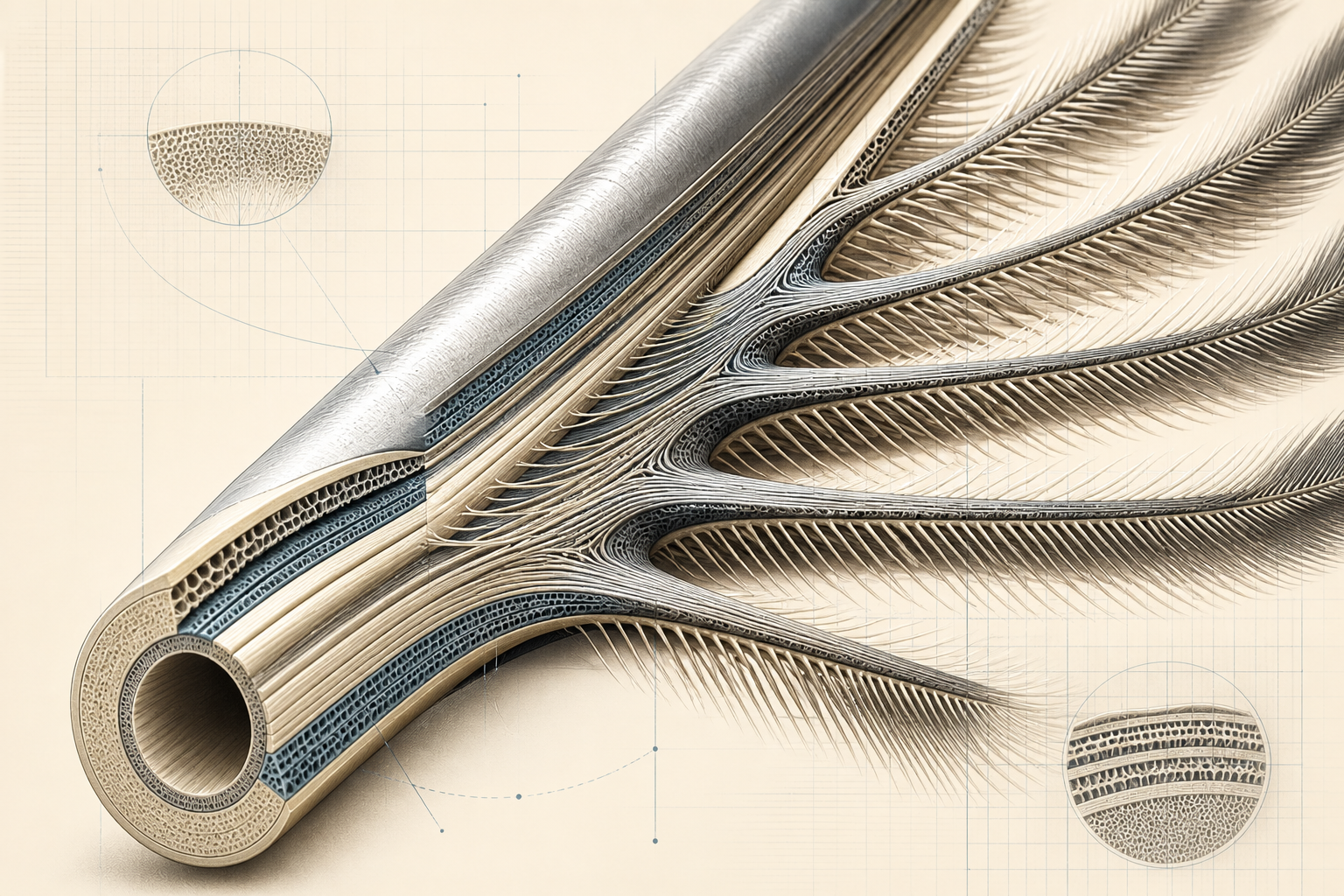
Inside the Feather Shaft: How Rachis Fibers Connect to the Barbs
Scanning electron microscopy revealed reinforcing fiber bundles that fan from the feather rachis into the barbs, suggesting a way to distribute load without leaving crack-forming fiber ends.
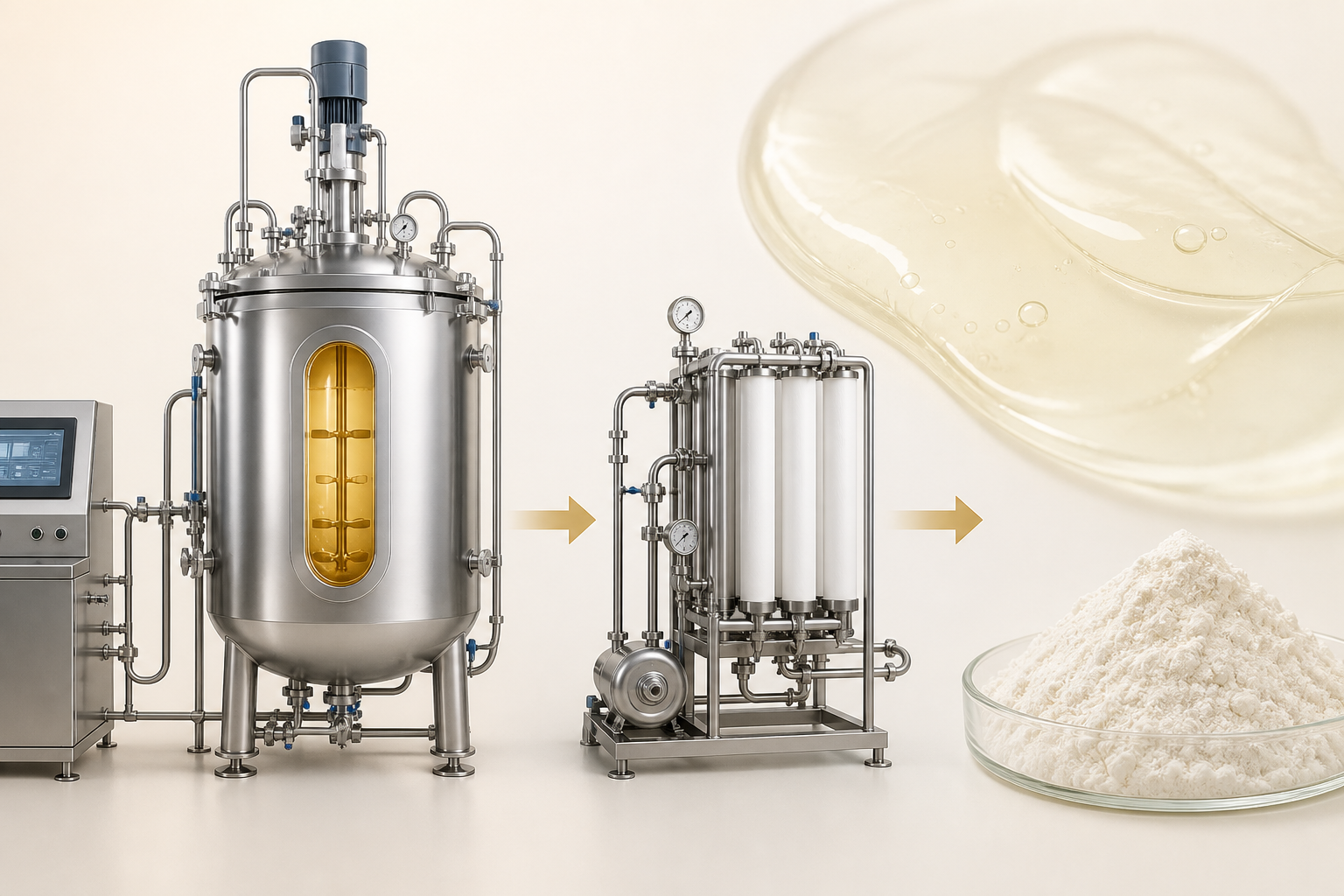
How Is OvoPro Made? A Research Review of Precision-Fermented Egg-White Protein
OvoPro is a precision-fermented ovalbumin ingredient made by engineered yeast—not a plant-based substitute or a complete egg. This review follows the science from gene design and fermentation through filtration, chromatography, drying, allergen labeling, and FDA’s GRAS response.
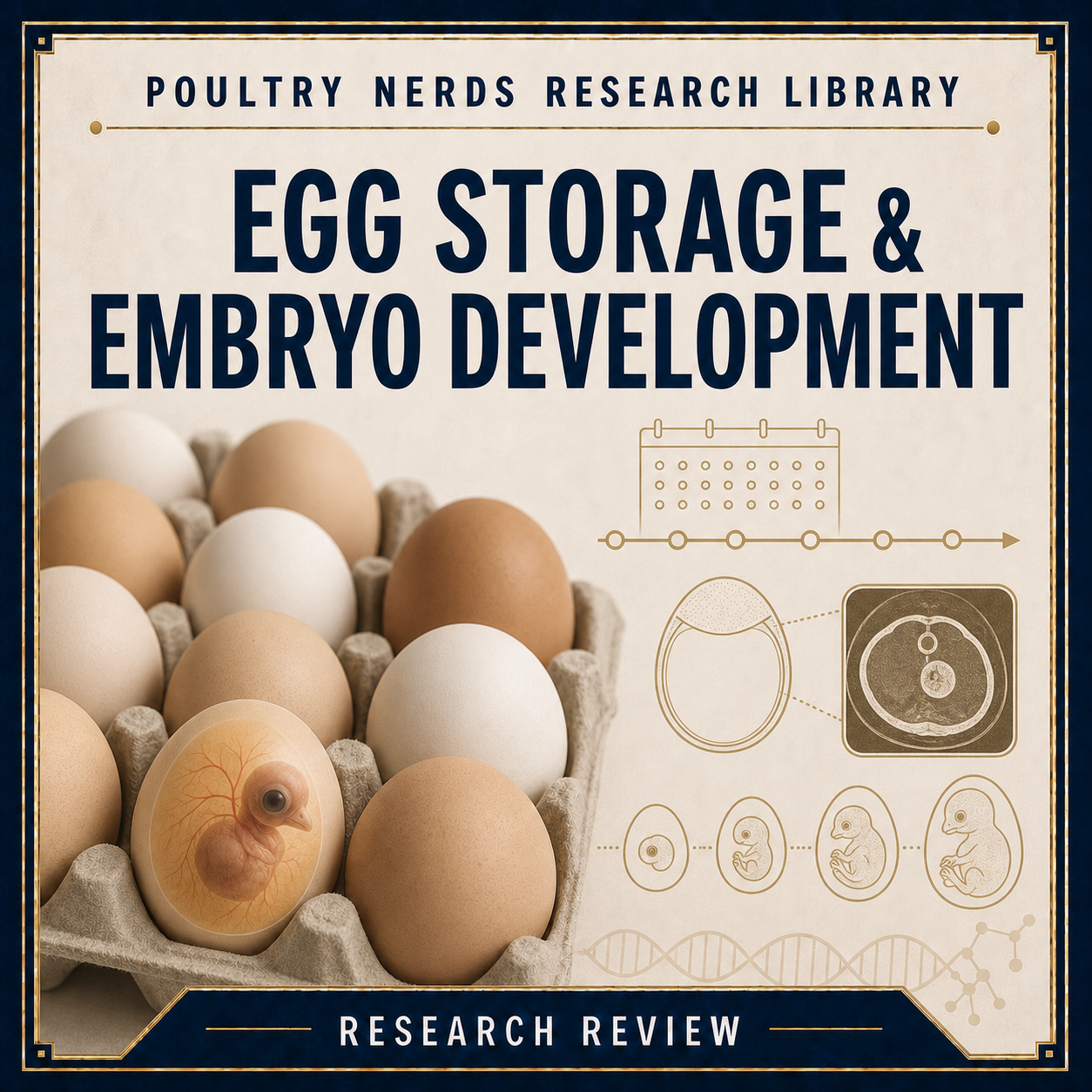
Egg Storage Duration, Egg Quality, and Chicken Embryonic Development
How long can hatching eggs wait before incubation? Research comparing 0, 3, and 10 days reveals a surprising hatch-timing pattern—and the cost of prolonged storage.