
Predator-Proof Chicken Housing: What a Layered Defense Looks Like
A secure coop works best as a layered defense: reliable latches, tight gaps, covered runs, protected feed, and regular checks. This review explains the practical logic behind predator-resistant housing.
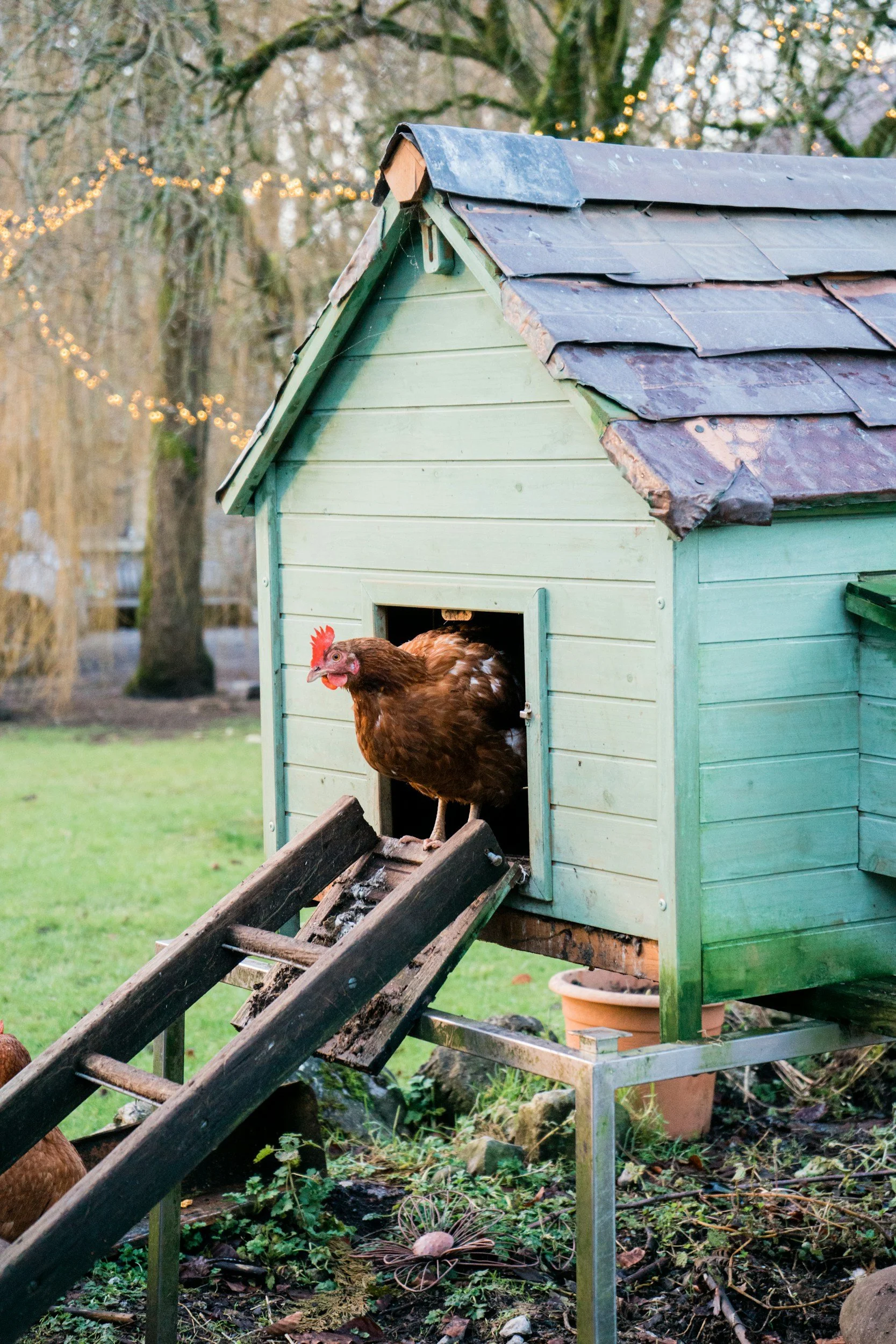
Outdoor Chicken Runs: Welfare, Parasites, and Biosecurity Tradeoffs
Outdoor runs can support natural chicken behavior, but they also change parasite, wildlife, predator, and biosecurity risks. This review explains how design and daily management shape the tradeoffs.
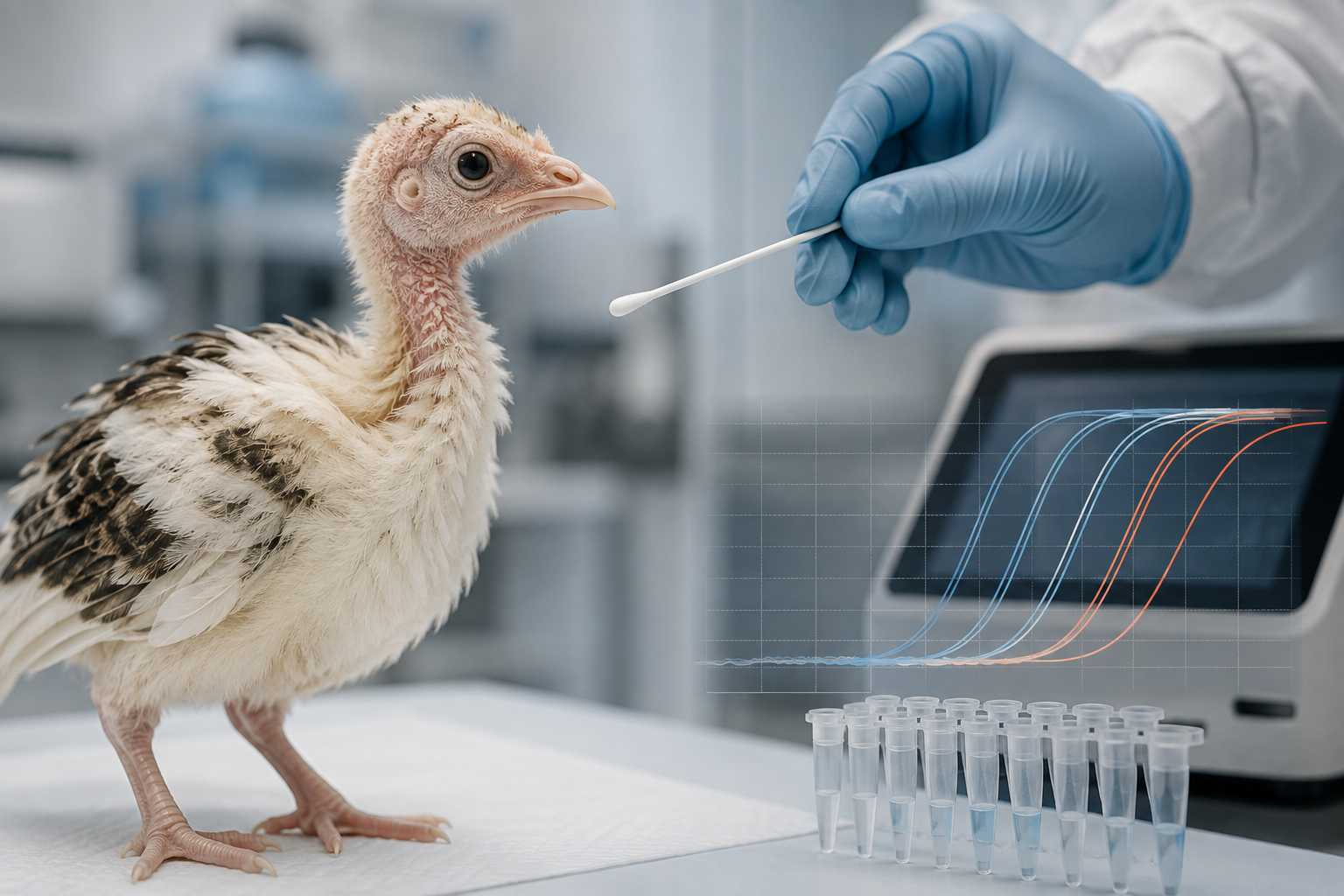
Bordetella avium PCR Testing in Poultry: What the Assays Can—and Cannot—Tell Us
A PCR result can identify Bordetella avium DNA, but it cannot diagnose the flock by itself. Here is what these assays add—and what still requires clinical context.
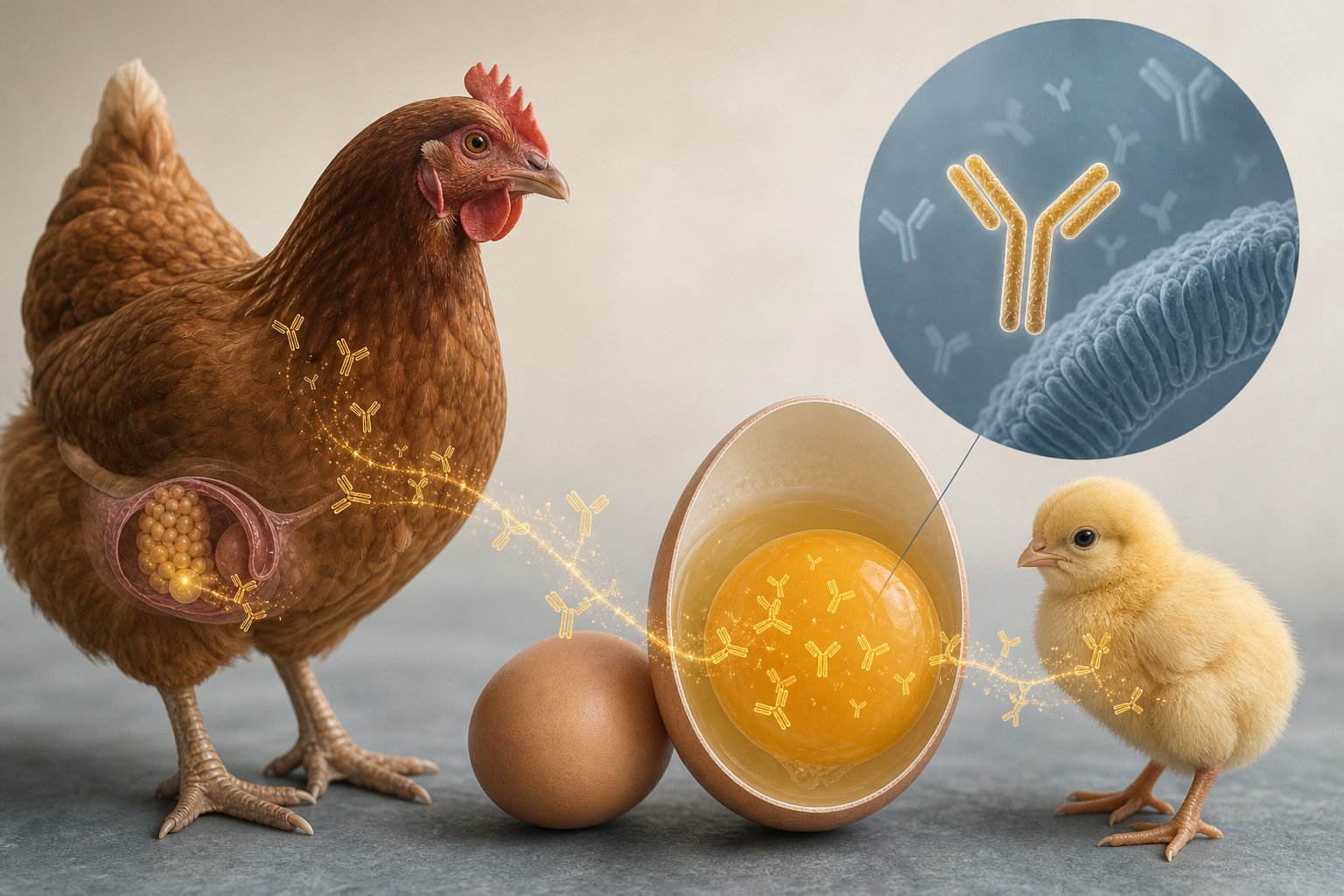
Maternal IgY Transfer From Hens to Chicks
Hens pass antibodies to chicks through the yolk—but not all of them, and not forever. This review explains what maternal IgY can and cannot do for a newly hatched chick.
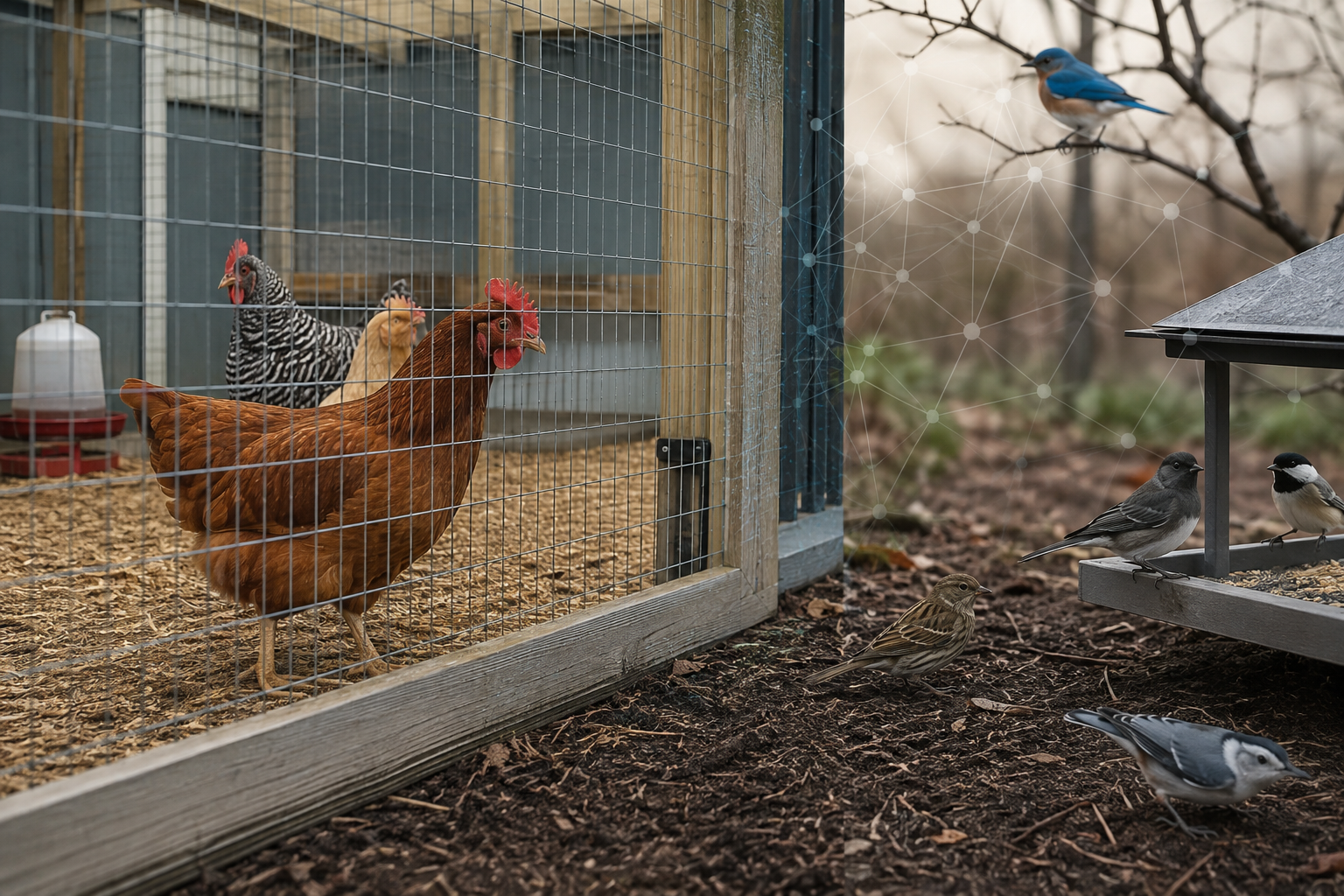
Backyard Chickens, Wild Birds, and Disease Risk
Backyard chickens and wild birds can share more than space. This review explains how disease moves at the flock-wildlife interface and what owners can do to reduce risk.
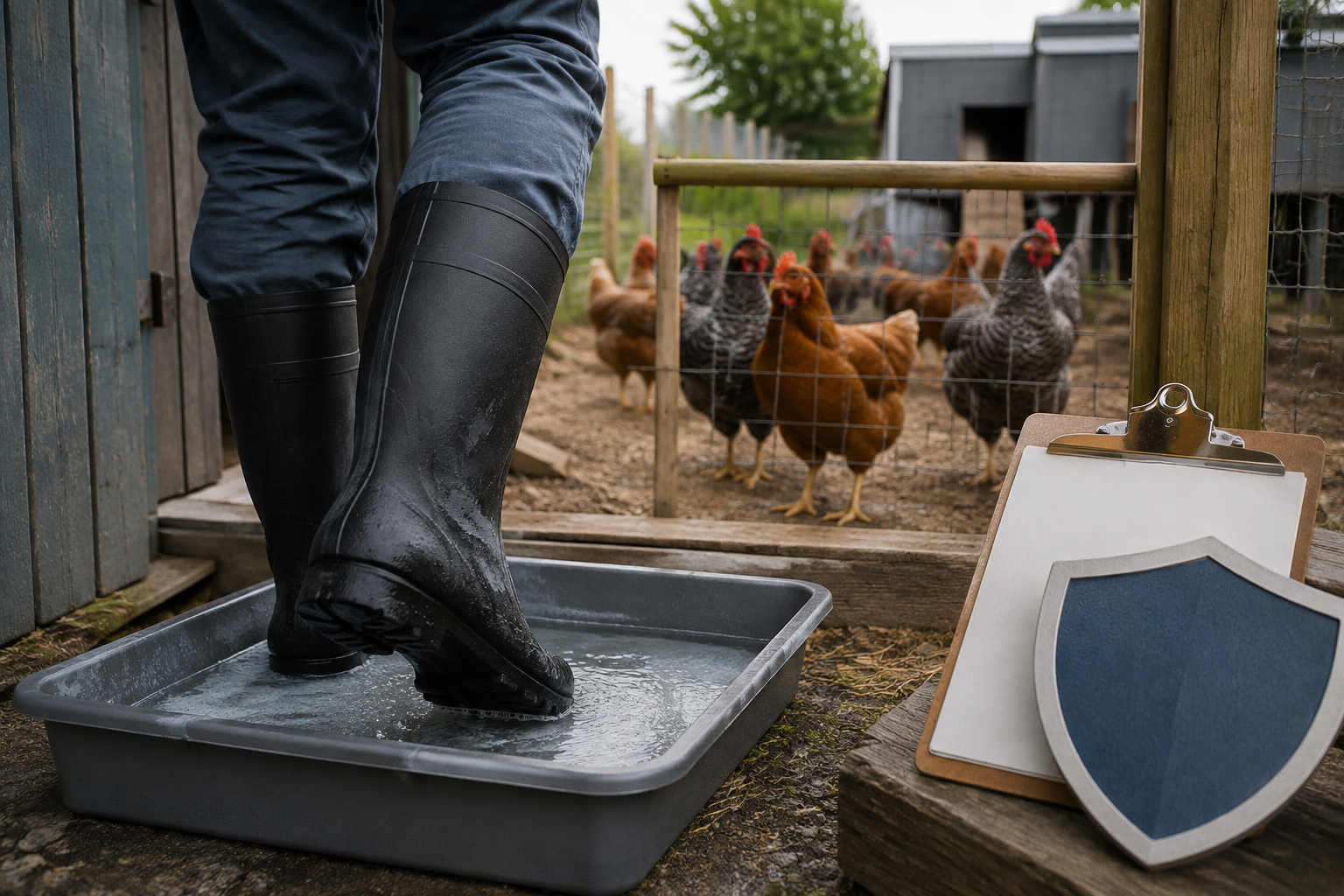
Backyard Poultry Biosecurity: What Works in Real Life
Biosecurity works only when people can actually do it. This review explains why backyard poultry disease prevention needs realistic, flock-sized practices.
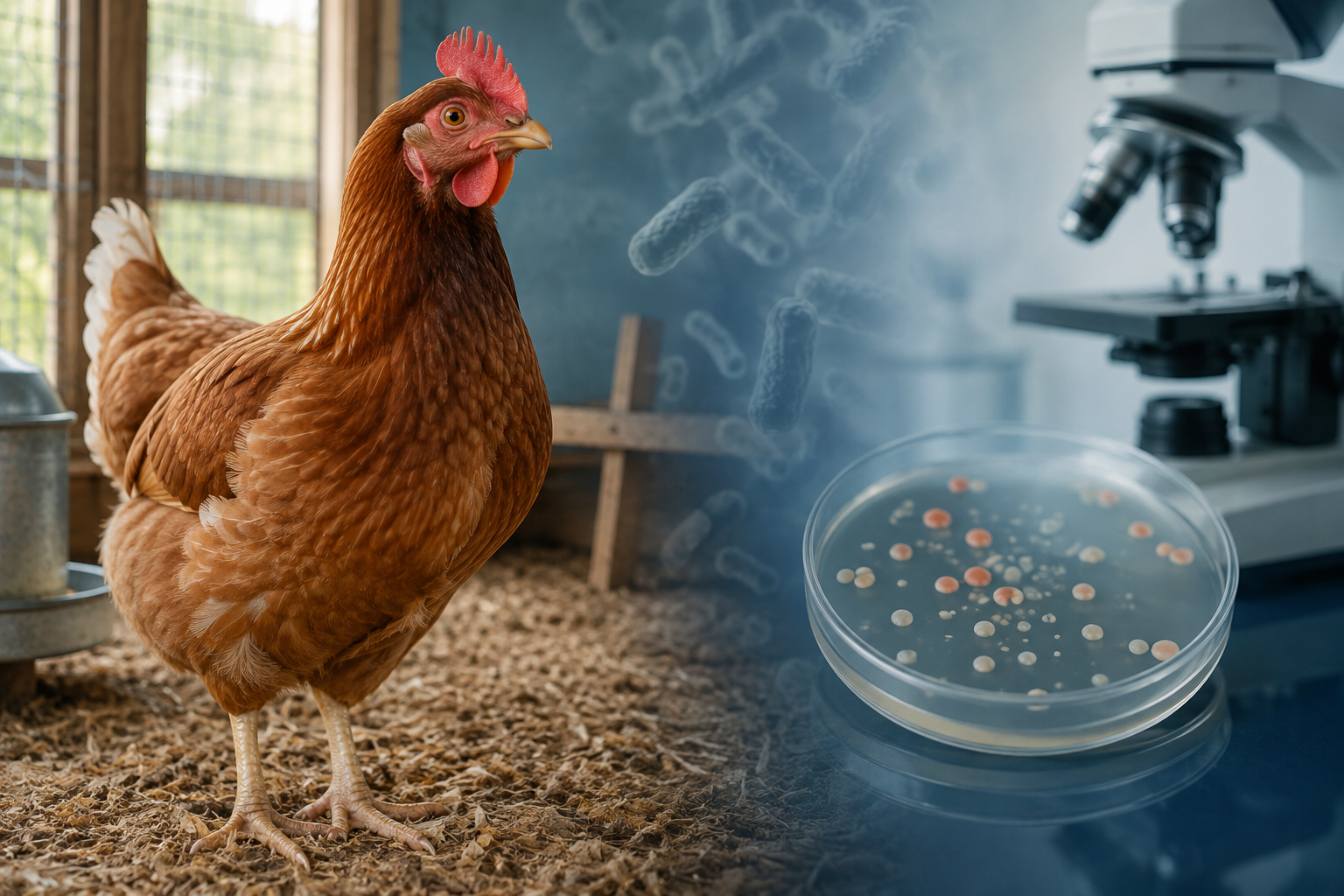
Salmonella enterica Frequency in Backyard Chickens in Vermont
Backyard chickens can carry Salmonella even when they look healthy. This review explains Vermont flock data and why safe handling matters.
Causes of Mortality in Backyard Poultry in Eight States in the United States
What do backyard chickens actually die from when submitted to diagnostic labs? This review explains a multi-state mortality study—and what it means for protecting your flock.