Quick Look
Track the number of eggs collected and the number of laying females in each covey so a change in production has context.
Give every incubator batch a unique ID. Record the egg source and dates, then count what actually hatched.
Log changes to the birds or their care with dates. A new pairing, feed, pen, illness, or heat problem can matter when you review the numbers.
Paper, a spreadsheet, or an app can all work. The best system is one you will use consistently.
When a hatch disappoints, it is tempting to remember the one thing that went wrong. The incubator ran warm. The eggs were shipped. A new male went into the breeding pen. Memory can make each explanation sound convincing. A short record gives you something better: a timeline.
In our conversation with Ron Blankenship of Quail Keeper Max, recordkeeping is the thread connecting eggs, birds, hatches, and everyday decisions. You do not need his software—or any software—to start. Three small records can make the next question much easier to answer.
1. A daily egg count with a denominator
Write down the date, covey or pen, eggs collected, and number of laying females. “We got 12 eggs” means something different from a pen of 12 females than from a pen of 30. If the number of females changes, note that too. A simple weekly comparison is often more useful than reacting to a single low day.
The University of Maryland Extension includes daily egg counts, flock age, mortality, feed use, and health history among useful poultry records. Its advice is broad poultry guidance rather than a Coturnix-specific production target. Use your own flock's history as the first comparison, and remember that season, age, health, feed, and management can change production. Read Maryland Extension's small-flock guidance.
Try this: On a calendar or phone note, record “Nov 16 · Pen A · 9 eggs · 11 laying females.” The date and denominator take seconds but make the count interpretable later. Do not call that one day's ratio the flock's long-term lay rate.
2. A separate record for every hatch
A hatch record starts before chicks emerge. Give the batch a short ID and note the species, egg source or breeding pen, collection or arrival dates, number set, set date, incubator, and any relevant equipment problem. Later, record the number that hatched and the date. If you candle or examine unhatched eggs, keep those observations separate from guesses about why they failed.
For example, “12 chicks from 20 eggs set” describes 60% of eggs set hatching. It does not show that the other eight were infertile. Embryos can die during development, and some eggs may have been compromised before or during incubation. Mississippi State University Extension distinguishes fertility from hatchability and emphasizes breeder condition, egg handling, and incubation conditions when investigating hatch results. See its hatching guidance.
One small batch is a clue, not a verdict on a breeder pair or an incubator. Compare several batches while noting what changed. If you are working with Coturnix, keep their batches distinct from button quail or other species; incubation timelines differ. See the species table in Mississippi State's incubation guidance.

3. A dated “what changed?” log
Keep one plain-language line when you move birds, change a pairing, introduce a feed, adjust housing, treat a health problem, or notice unusual behavior. Include which pen or birds were affected. A later drop in eggs or a disappointing hatch may line up with the change—or may not. The record tells you what to investigate; it does not prove causation.
This log matters even when the egg and hatch numbers look good. A bird with an injury, an aggressive pairing, or a recurring water problem is part of the flock story. Maryland Extension's flock-health materials emphasize recording what was observed, when it began, how many birds were affected, and what action was taken. See its recordkeeping examples.
Try this: “Nov 16 · Pen A · moved two females; one bird pecked; added a second feeder.” That is more useful than “birds acting weird.” If a bird appears ill, get appropriate veterinary advice; a log is not a diagnosis or treatment plan.
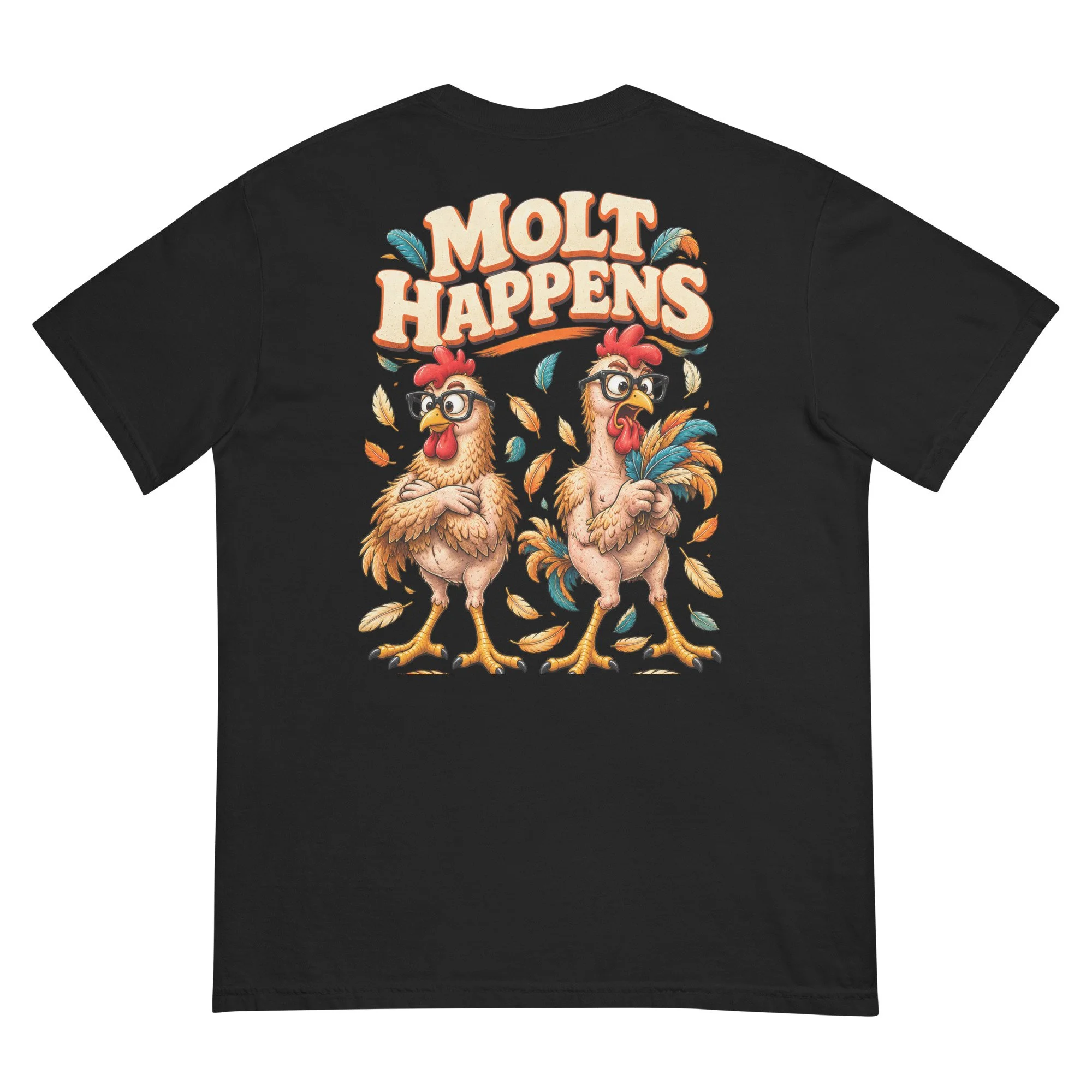
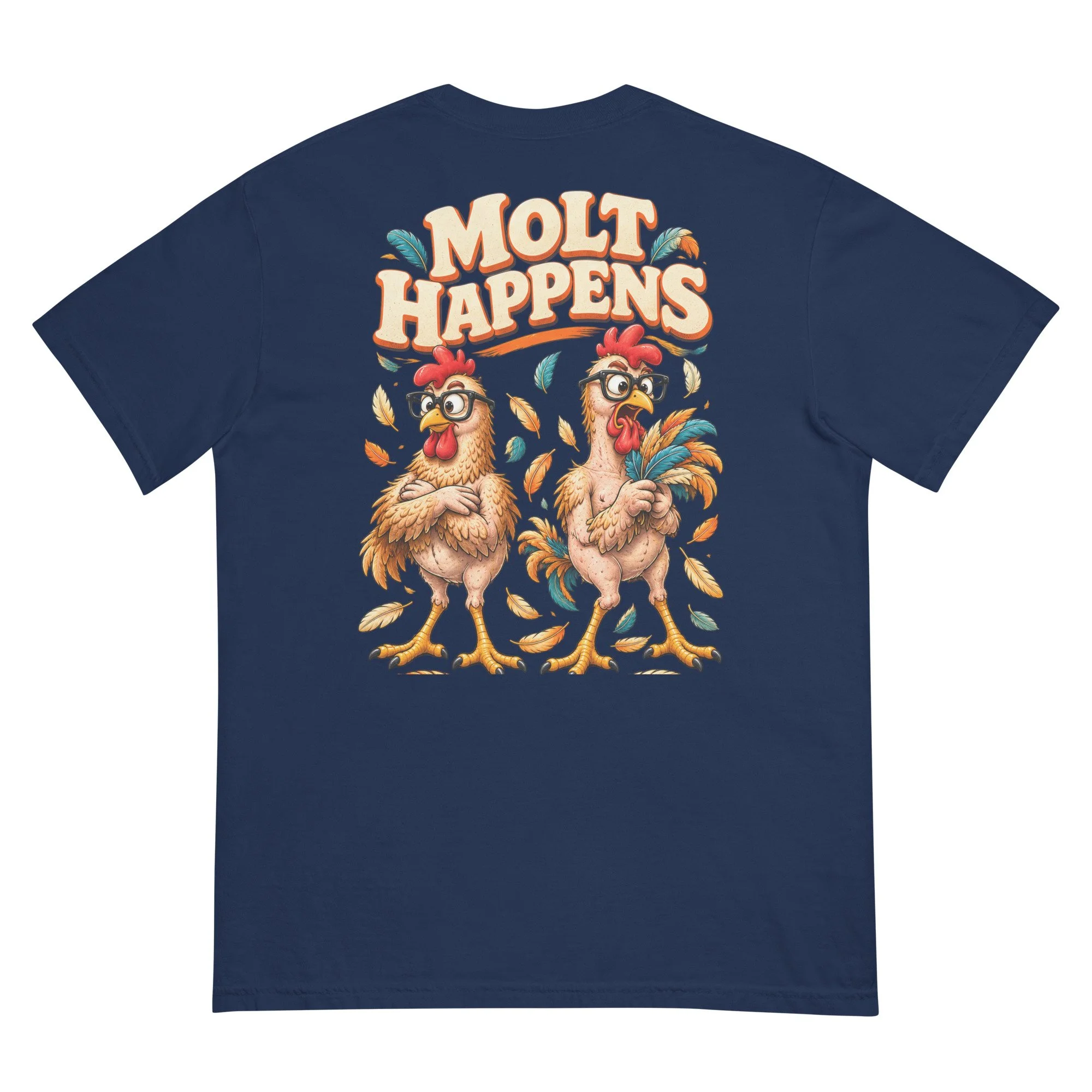
Molt happens. One day your bird looks majestic; the next, the coop looks like a feather storm. Poultry people get it. Wear the inside joke with this Poultry Nerds T-shirt.
This unisex, garment-dyed heavyweight tee is made from 100% ring-spun cotton and has a relaxed fit. Choose Black or True Navy and a size from S to 4XL.
Fabric and fit
• 100% ring-spun cotton
• Fabric weight: 6.1 oz/yd² (206.8 g/m²)
• Garment-dyed
• Relaxed fit
• 7/8-inch double-needle topstitched collar
• Twill-taped neck and shoulders
• Double-needle armhole, sleeve, and bottom hems
• Blank product sourced from Honduras
Made especially for you after you order. On-demand production may take a little longer than ready-to-ship merchandise and helps avoid overproduction.
When to add more detail
Once the three basic records are routine, add only fields that answer a real question. If feed costs matter to your operation, record the bag price, weight, purchase date, and which flock used it. If you sell hatching eggs, connect each order to the source pen and collection dates. If you select breeders, track parentage and observations of the actual birds alongside hatch outcomes. None of these numbers should replace looking at your quail.
An app can connect those pieces and save retyping, but it cannot repair missing or inaccurate entries. Start with a system you can maintain. If a notebook lives in the barn and a phone lives in your pocket, choose whichever one you will use after a long day.
A five-minute weekly review
Once a week, ask:
Which pen changed most from its own recent egg pattern?
Did a hatch batch have a different source, storage period, incubator, or equipment issue?
What changed in the flock before that result?
What should I observe or measure next week before deciding what caused it?
That last question is the point. A useful record does not hand you a perfect answer. It helps you ask a better question and avoid changing five things at once.
For more on the birds behind the numbers, explore our Coturnix quail guide and incubation and hatching resources.
FAQs
Do I need an app to keep useful quail records?
No. A notebook, calendar, or spreadsheet can record the same essentials. An app may help link entries and retrieve them, but consistency and accuracy matter more than the format.
What is the first number to record?
Start with daily eggs collected by pen and the number of laying females in that pen. The count alone is easy to misread when the flock size changes.
Does a poor hatch mean my quail eggs were infertile?
No. The number hatched out of eggs set combines several possible problems, including fertility, embryo survival, egg handling, and incubation. Keep the observations separate and investigate before assigning a cause.
Should I track every bird individually?
Only if individual identification helps answer your breeding, health, or sales questions and you can maintain it reliably. For a beginner, pen-level egg counts, batch-level hatch records, and dated flock changes are a practical start.