A Breeding Notebook That Looks Beyond the First Hatch
A young rooster can make a very convincing first impression. He stands well, catches your eye, and looks like the bird you hoped the pairing would produce. It is tempting to make the next decision right there.
But a breeding notebook can ask a longer question: what will you know about him after another season?
In the Poultry Nerds conversation with Blake Phillips, he describes waiting until about 18 months before choosing breeders from his Cornish. That is his approach with his birds, not a universal deadline. It does raise a useful question for anyone selecting poultry: are your records showing you how a bird develops, or only how it looked on the day you liked it best?
Start with the decision you want to make
Before adding another column to a spreadsheet, write one sentence about your goal. Perhaps you want to preserve a breed’s character, improve a recurring fault, or understand which pairings produce birds that fit your plans.
Then ask what you would need to observe before making that decision. A photograph may help with appearance. A dated note may capture movement or a change in behavior. Breeding and hatch records answer different questions again. Give each observation a place instead of expecting a single impressive photo to carry the whole story.
Keep breed and line in the record, too. Wisconsin Extension distinguishes a breed from the more specific families or breeding populations described as strains or lines. That distinction gives you useful language for asking a breeder what they have actually observed in their own flock. Chicken Breeds & Varieties
Make comparisons you can repeat
A simple record is easier to keep than an ambitious one you abandon. For each bird under consideration, try a short entry with an identification, date, age, photograph, and one or two specific observations.
Instead of “looks good,” write what caught your attention. Was it the way the bird stood? A particular feature you are tracking? Something you want to look at again? Photograph from comparable angles when practical, and leave earlier entries intact so you can compare them later.
Include questions as well as conclusions. “Check again next month” is an honest and useful entry. You do not have to turn a first impression into a final verdict.
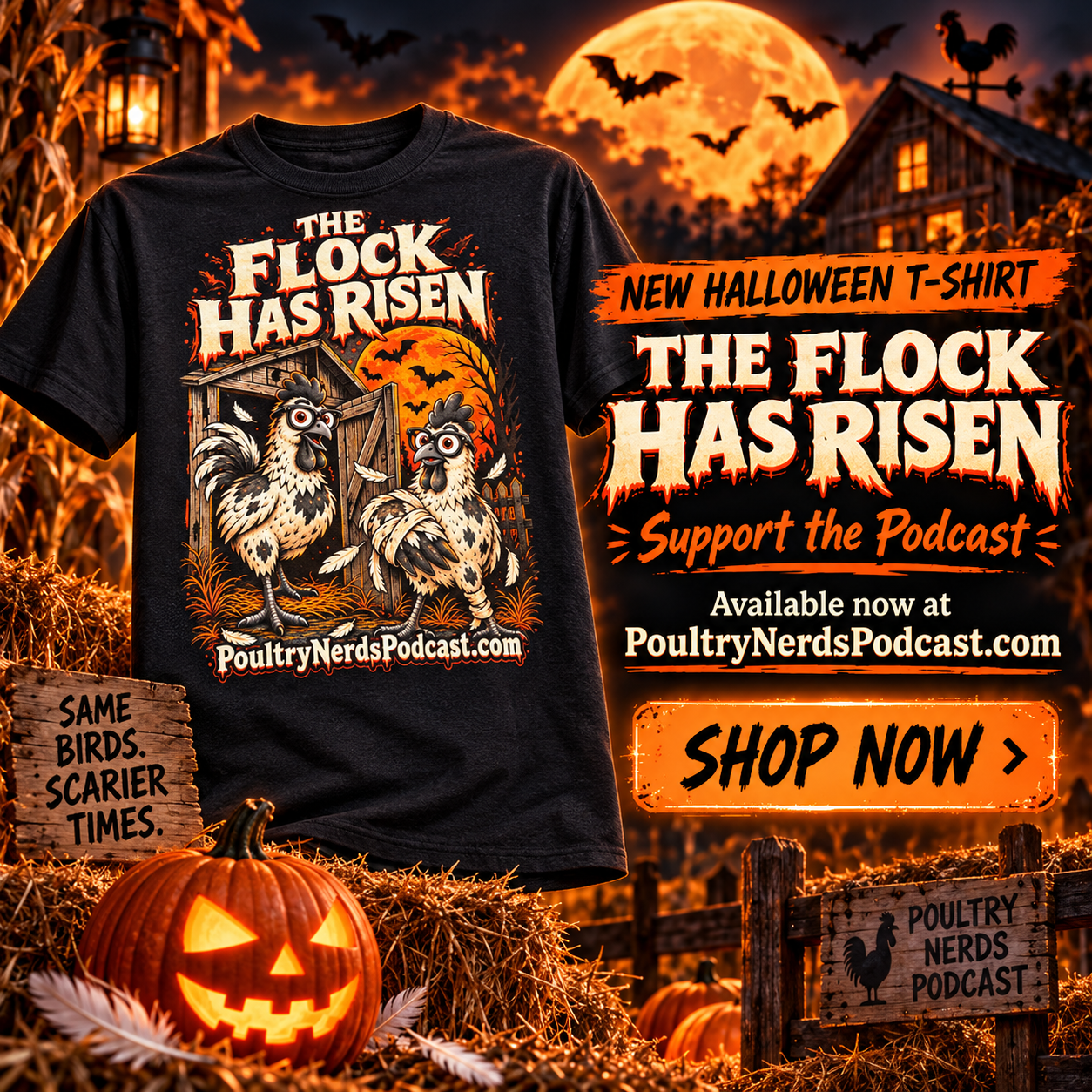
Poultry humor with a spooky side. The Flock Has Risen pairs a small Poultry Nerds chest logo with a bold Halloween-inspired back design: two wide-eyed chickens, a moonlit coop, and an orange sky full of bats.
Printed on a black Comfort Colors 1717 tee with a relaxed fit and a soft, garment-dyed finish.
• Small Poultry Nerds logo on the front; The Flock Has Risen artwork on the back
• Black, unisex Comfort Colors 1717
• 100% ring-spun cotton
• Heavyweight fabric: 6.1 oz/yd² (206.8 g/m²)
• Garment-dyed with a relaxed fit
• Twill-taped neck and shoulders
• Double-needle collar, armhole, sleeve, and bottom hems
• Sizes S–4XL
• Blank shirt sourced from Honduras
Made to order through Printful. Your shirt is printed after you order, so allow time for production as well as shipping.
Watch for coop blindness
When you see the same birds every day, familiar can start to look correct. A feature that needs work becomes “just how our birds are.” Without an outside comparison, it is easy to keep selecting for a look you like while overlooking a fault or an imbalance.
Give your notebook a reference beyond your own pen. Compare the birds with the breed description in the American Poultry Association’s Standard of Perfection, and look thoughtfully at other breeders’ birds. Wisconsin Extension identifies the Standard as the detailed reference for recognized breeds and varieties. Use it to ask specific questions about type, carriage, shape, and proportions—not simply whether another bird is bigger or more eye-catching. Read about the Standard and breed distinctions.
Write down what the comparison changes. Which feature matches your goal? Which deserves a second look? An outside perspective can help you notice what familiarity has made easy to miss, while your dated records show whether your next breeding decisions are moving in the intended direction.
Give the pairing its own record
Once you make a pairing, keep its results separate from your notes about an individual bird. Record which birds were together, when eggs were collected, which eggs were set, and what you observed at each check and hatch.
Do not let “poor hatch” become the only description of a disappointing batch. Write down what you actually know and what remains uncertain. Keep incubation observations alongside the breeding record so a later review does not lose that context.
For a broader place to start with selection, The Livestock Conservancy offers a free Heritage Chicken Manual, including a chapter on ongoing selection of breeding stock and breeder-assessment forms. Explore the manual.
Ask a breeder about the next season
If you are looking for a line to work with, try a few questions that invite more than a sales description:
What are you selecting for right now?
At what ages do you evaluate potential breeders again?
Which traits are you still working to improve?
What do your older breeding birds tell you that the youngsters do not?
What records would help a new keeper understand this line?
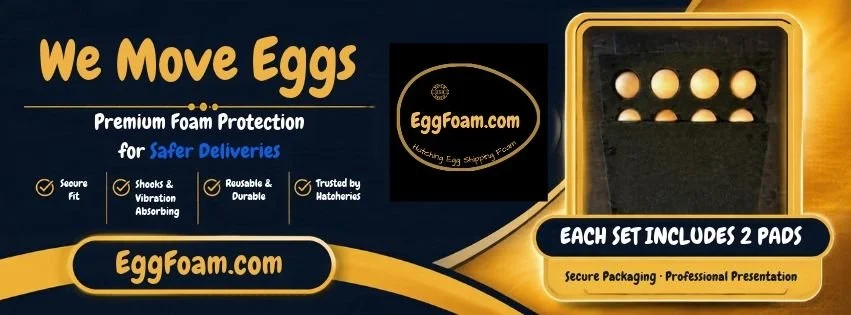
EggFoam: Moving Eggs, one chick at a time
The answers can help you decide whether your goals fit the breeder’s work. They also give you a starting point for your own notebook.
Leave room to change your mind
The most useful entry may be the one that explains why you changed a decision. Keep it. A bird you admired early and assessed differently later can teach you what to look for next time.
For more questions to explore, visit the Poultry Nerds Genetics & Breeding resources. The conversation with Blake is an invitation to look more closely at the birds in front of you—and to keep looking as they develop.