Growing Fodder and Duckweed for Livestock
A Practical, Science-Backed Guide to Low-Cost, High-Nutrition Feed
If you’ve been in poultry (or livestock in general) for any amount of time, you’ve probably seen the push toward “grow your own feed.”
Fodder systems. Duckweed ponds. Hydroponic setups.
Some of it is hype… but some of it is actually worth paying attention to—especially when feed costs keep climbing.
Let’s break this down the right way:
What it is, what the science actually says about nutrition, and how to do it without overcomplicating your life.
Check out the episode with Bad Baxter Farm and how Blaze grows much of their animal feed.

Blaze Baxter joins us on this podcast and speaks about her journey into clean eating.
What is Fodder?
Fodder is simply sprouted grains (usually barley, wheat, or oats) grown hydroponically (no soil) and fed whole—roots, seed, and greens.
Typical system:
Soak grain 12–24 hours
Spread in trays
Water daily
Harvest in ~7 days
That’s it.
In about a week, you go from dry grain → a living feed mat.
Nutritional Changes During Sprouting (What the Science Says)
Here’s where it gets interesting.
Sprouting doesn’t just “add greens”—it changes the chemistry of the feed.
Key changes:
Protein increases
Digestibility improves
Enzymes activate
Anti-nutritional factors decrease
Research shows:
Hydroponic barley fodder contains ~15–17% crude protein
Sprouting improves nutrient availability due to breakdown of complex compounds
Translation in real life:
Birds and livestock can use more of what they eat, not just pass it through.
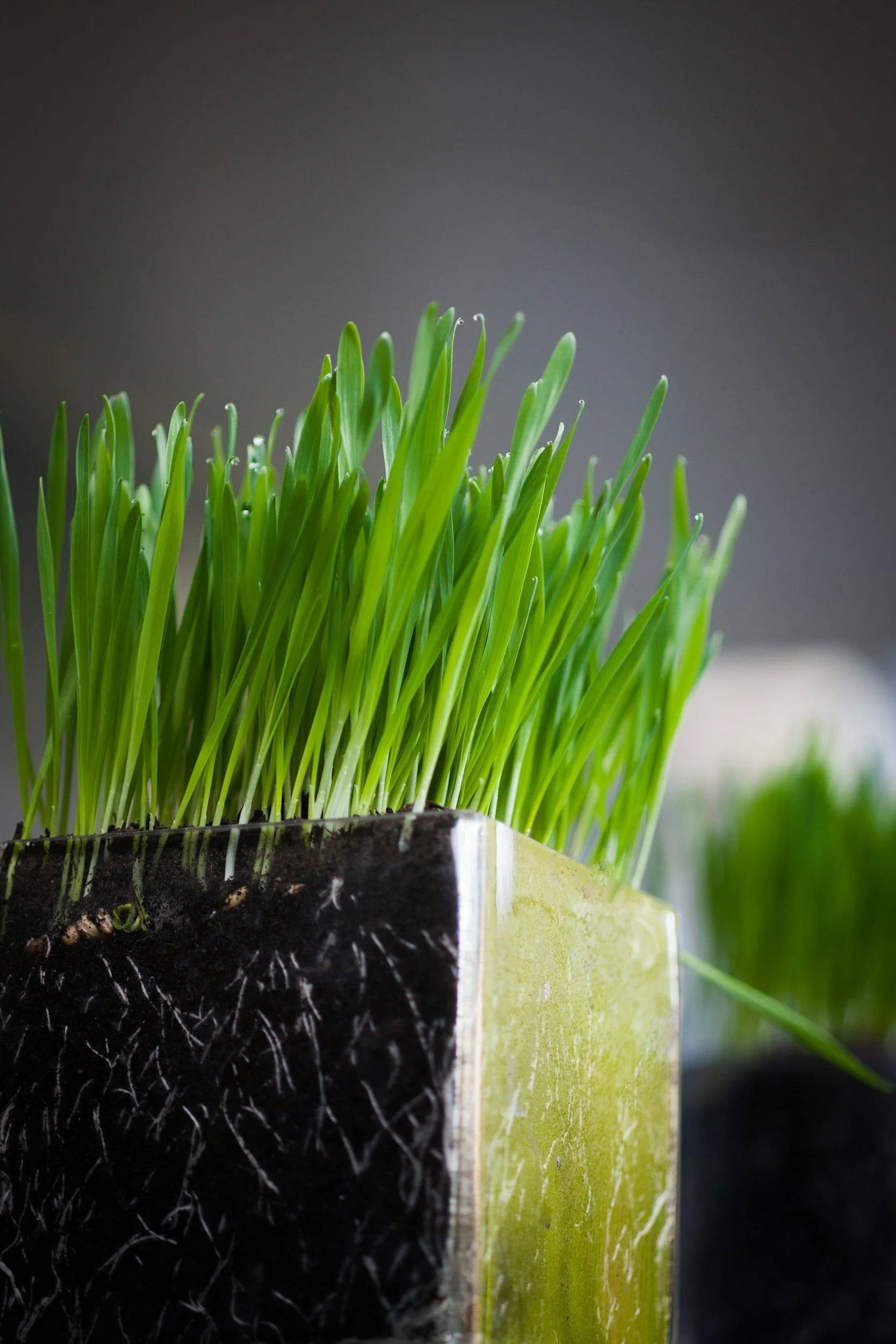
Fodder is just greens grown in shallow pans
Performance Data in Poultry
One controlled study on broilers found:
Adding up to 10.5% barley fodder:
Increased weight gain
Improved feed conversion
Increased net profit
That’s a big deal.
But here’s the honest part…
Fodder is a supplement, not a complete feed replacement.
Even research trials still use a balanced ration + fodder.
The Reality Check (What People Don’t Tell You)
Fodder has benefits—but it’s not magic.
Research from dairy systems shows:
Milk production often stays the same
Economics depend heavily on system cost
And the University of Minnesota notes:
Many claims are still not fully validated across all livestock systems
Bottom line:
Fodder works best when:
Feed costs are high
You want fresh greens
You’re supplementing—not replacing
What is Duckweed?
Duckweed (Lemna species) is a floating aquatic plant that grows insanely fast.
And nutritionally?
It’s a powerhouse.
Duckweed nutrition:
20–40% protein
Very low fiber (<5%)
Rich in amino acids (including lysine)
It has even been shown to:
Partially replace soybean meal in poultry diets
Improve growth performance in some trials
That puts it closer to a protein supplement than a forage.
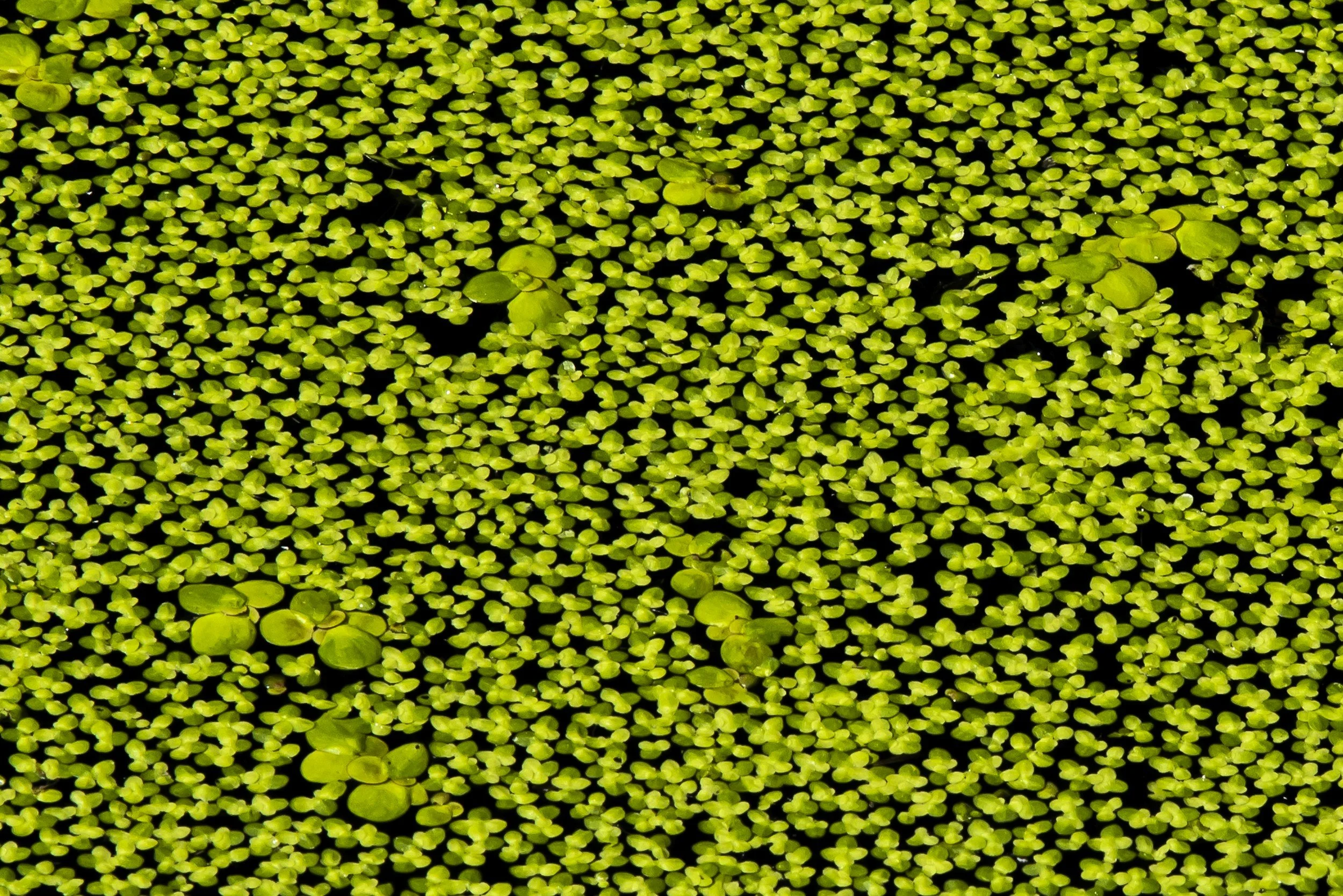
Duckweed is a tiny plant that grows on top of water
How to Feed It
Poultry:
Fodder: 5–20% of diet
Duckweed: treat like protein supplement
Livestock:
Cattle/goats: supplement forage
Pigs: excellent addition
Always introduce slowly.
Final Take
If you’re looking for a silver bullet feed replacement… this ain’t it.
But if you want:
Better nutrient utilization
Reduced feed waste
Fresh, living feed
Lower reliance on purchased inputs
Fodder + duckweed is one of the smartest systems you can add to a farm.
FAQ
Is fodder better than grain?
Not better—just different. It improves digestibility and adds moisture and enzymes.
Can fodder replace feed?
No. It should supplement a balanced ration.
Is duckweed safe for poultry?
Yes, when grown in clean water. It’s highly nutritious and protein-rich.
What is the best grain for fodder?
Barley is most commonly used due to consistent sprouting and nutrition.